Introduction


This chapter explains how to remove and replace bolted parts. 


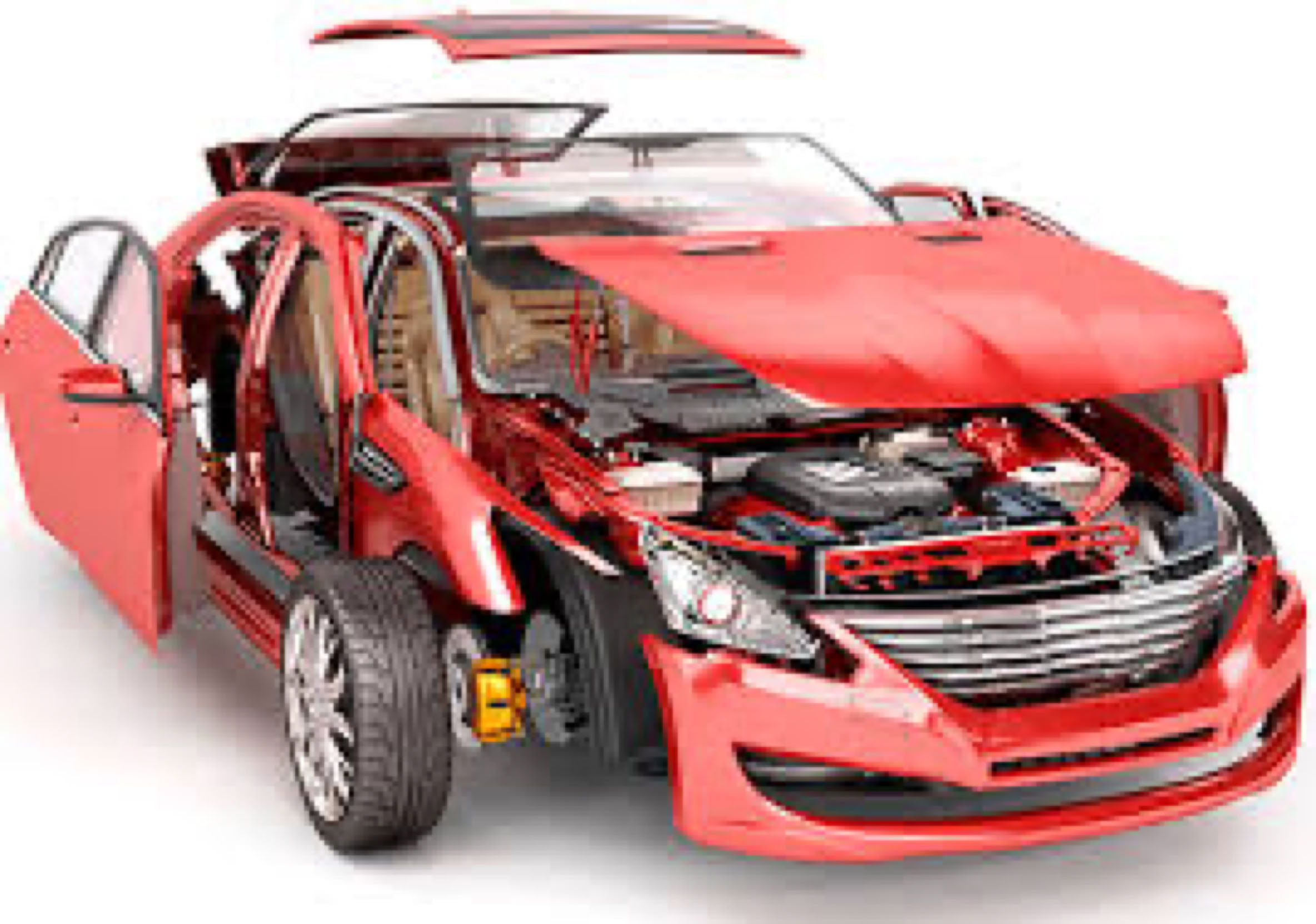
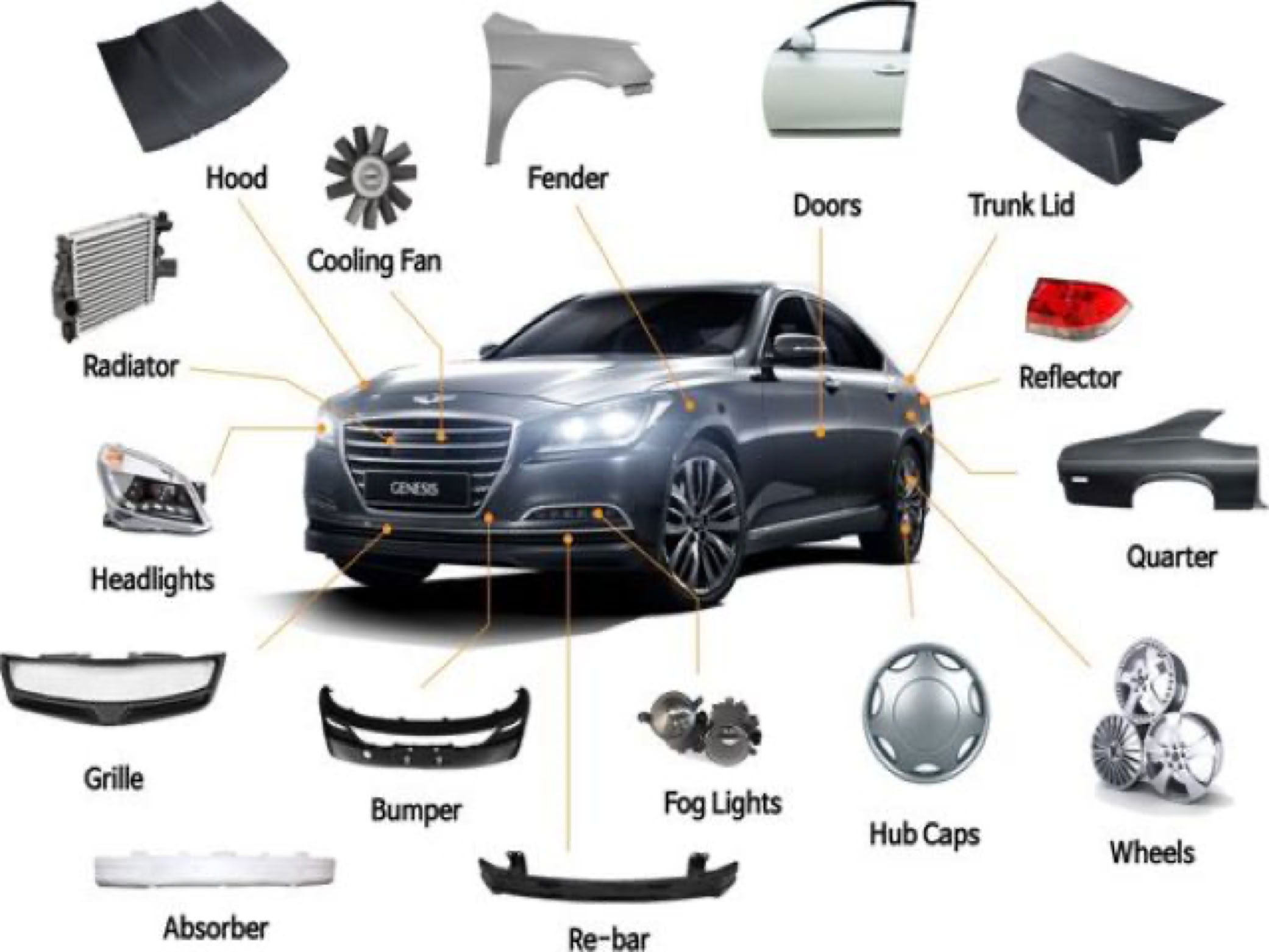
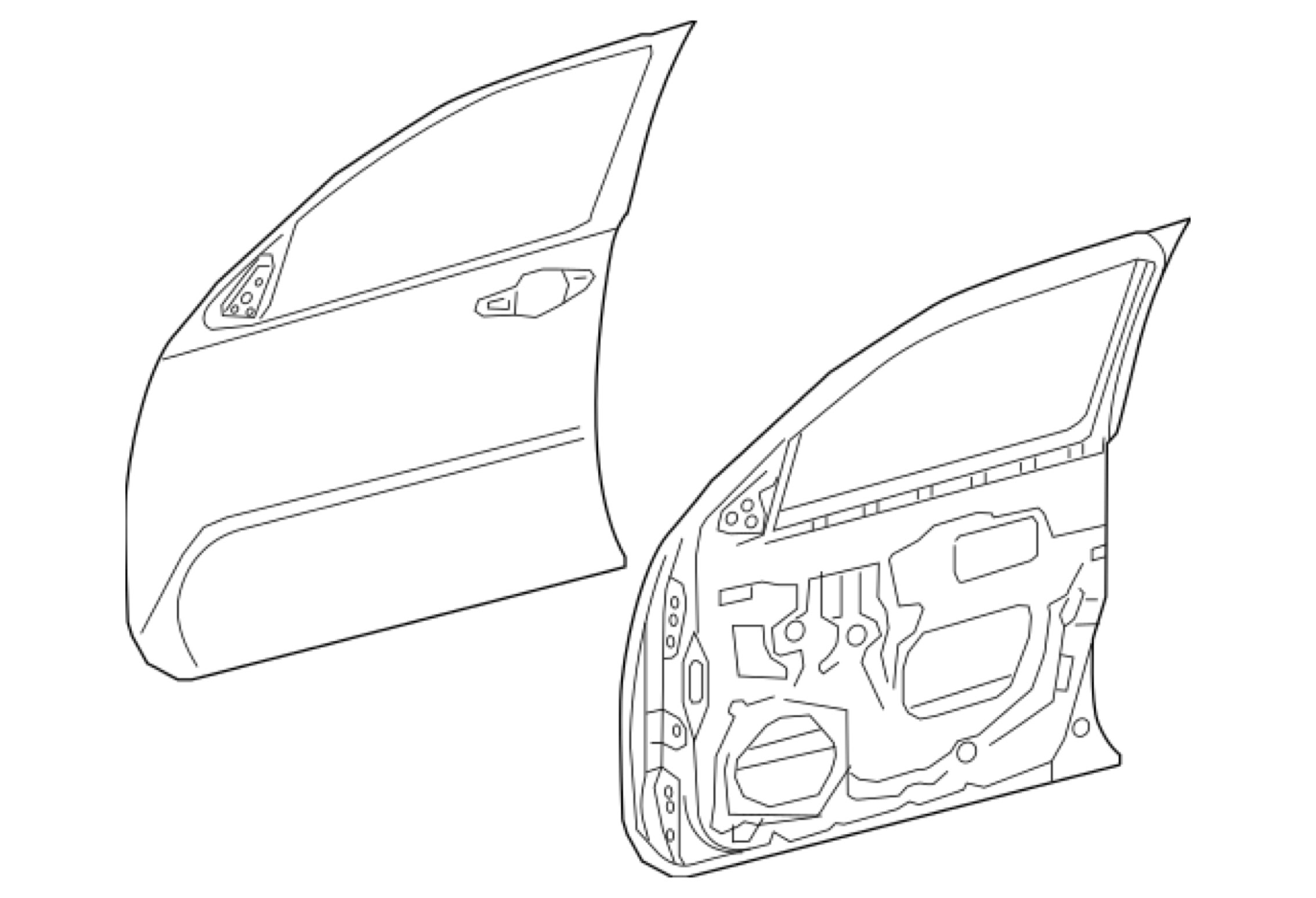
Bolted parts include bumpers, fenders, hoods, doors, and deck lids. 


The chapter begins by discussing the sources of replacement parts. 


After part sources are discussed, the basic steps in bolted part replacement are explained. 


Finally, the procedures for replacing specific bolted parts are detailed.


Part Sources


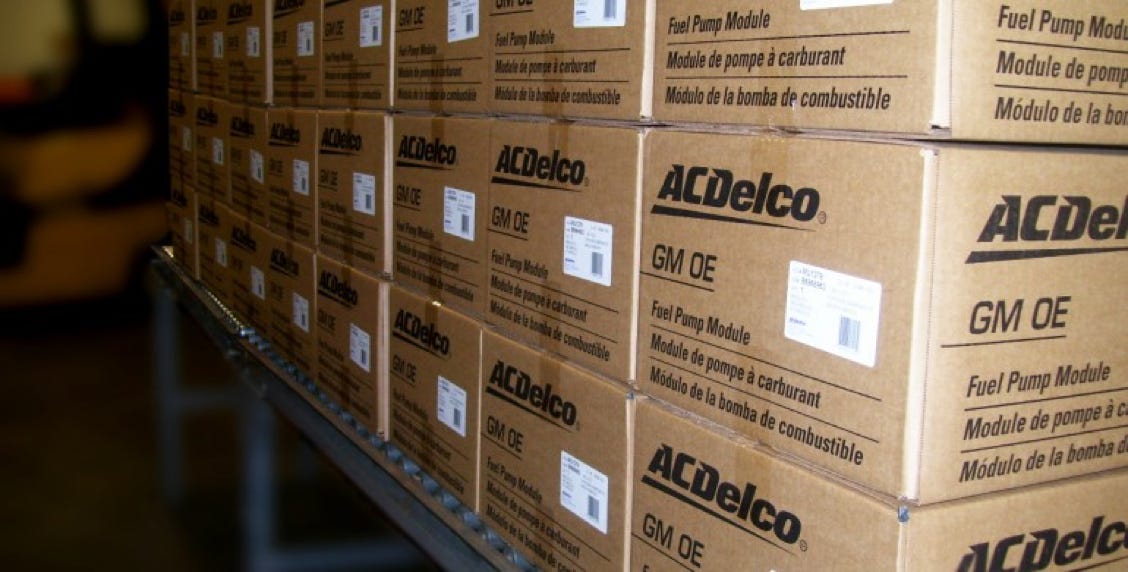
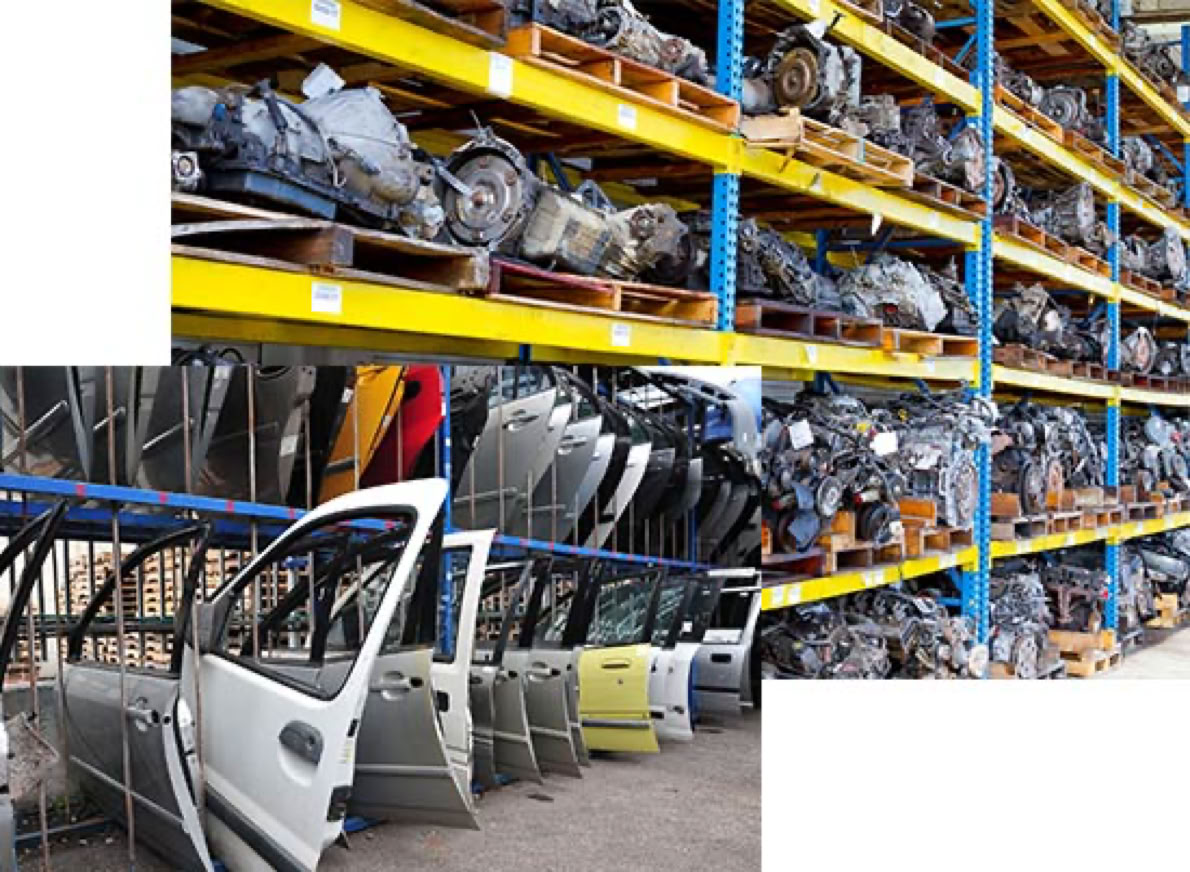
Replacement bolted parts can be obtained from three sources: original equipment manufacturers, salvaged vehicles, and aftermarket suppliers. 


The source used depends on availability, the age of the vehicle, and the customers' desires.


Availability is a key issue when deciding on a part source. 


Replacement parts must be obtained in a reasonable amount of time.


 A damaged vehicle may sit for days or weeks waiting for parts. 


This wait is inconvenient for the customer. 


The age of the vehicle is another factor in the choice of parts. 


An older vehicle, which is worth less money than a newer vehicle, is often repaired with the cheapest parts available.


However, a customer may insist on high-quality parts to repair an older vehicle.


OEM Parts


The letters OEM stand for original equipment manufacturer. 


OEM parts are replacement parts made by the same company that made the parts installed on the vehicle when it was assembled. 


All replacement parts for late-model vehicles (10 years old or newer) are available as OEM parts. 


In rare cases, there may be a wait for OEM parts. 


This usually involves parts for a high-volume, currently produced model, because these parts are also needed for installation on vehicles at the factory.


 This also may be an issue on limited production vehicles, because there is little demand for these parts and they are not stocked.


OEM parts are obtained from a new car dealership.


The dealership may or may not stock collision parts.

If the parts are not in stock, the dealership can often order them from a central warehouse. 


Many times, the ordered parts will be delivered the next business day.


However, some dealerships may only order collision parts once a week, resulting in a longer wait for the collision repair shop. 


Most shops cultivate a relationship with dealerships because the shop relies heavily on the dealership's ability to supply the required parts in a timely manner.


Most OEM parts are warranted against corrosion resistance. These parts are sold individually, not as assemblies. 


Always check the replacement parts for damage before installation.

Chapter : 10  Bolted Non-Structural Part Replacement
Used Parts


Used parts, or recycled parts, are taken off salvaged vehicles. 


These parts are obtained from a salvage yard. Used parts are sold as part of an assembly. 


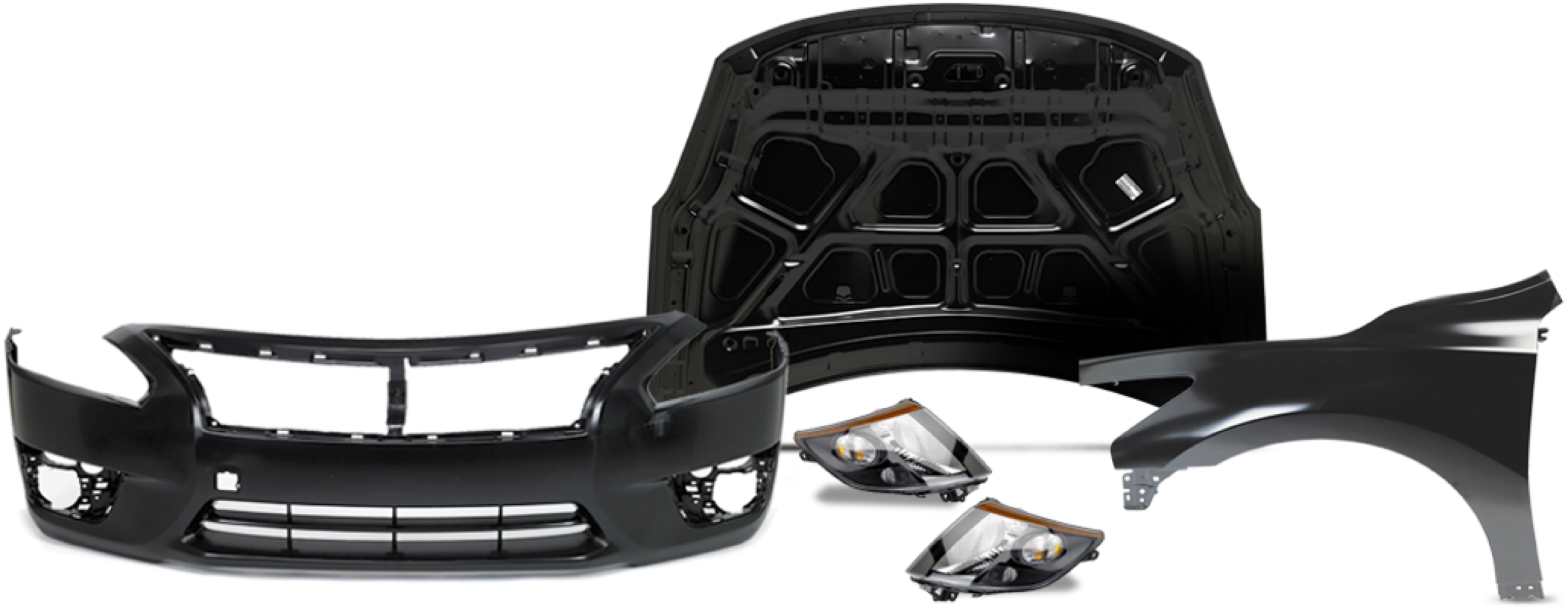
A front clip is the entire front of the vehicle from the cowl forward. In some repairs, it is more economical to obtain all the bolted parts from a used front clip-fenders, hood, grille, headlights, and front bumper-than it is to order these individually as OEM parts.


Used parts are specified because they cost less than OEM parts. 


However, used parts may have previously repaired damage. 


Always check used parts carefully before installation.


 The availability of used parts depends on whether there is a wrecked vehicle of the desired type in a nearby salvage yard. 


Many salvage yards deliver parts within a specified range. 


Light- weight used parts, such as fenders, can be shipped by UPS. 


Long-distance shipping may drive the cost of used parts up to the price of OEM parts.

Aftermarket Parts


Aftermarket parts are manufactured by a company other than the one that provided the parts when the vehicle was assembled. 


Aftermarket parts are available for commonly replaced parts on many popular vehicles and generally cost less than OEM parts.


 Examples of aftermarket parts include fenders, hoods, and bumpers. 


The fit of aftermarket parts varies.


 Some aftermarket parts fit very well, as well as OEM parts. 


Other aftermarket parts fit so poorly the cannot be used. 


In some cases, a poorly fitting aftermarket part can be tweaked into alignment.


 However, improperly formed mounting holes and inadequate welds cannot be fixed. 


Aftermarket parts are available from auto parts stores, as well as paint jobbers. 


Always check the aftermarket part for damage and fit.

Bolted Part Replacement Steps


This section briefly outlines the individual steps in replacing bolted nonstructural parts. 


A combination of these steps is used to complete most repairs.


For example, in some cases, the replacement part is partially painted prior to installation. 


Areas that are inaccessible once the part is installed are painted before installation. 


In other instances, the part is installed and then painted on the vehicle.


 This allows the bolt heads to be painted. 


Removing and installing the bolts can chip the paint on the bolt heads.


Read the Estimate


The first step in replacing a bolted nonstructural part is to study the estimate or repair order to determine exactly what needs to be replaced and what will be reused. 


Some components, such as nameplates, emblems, and moldings, may be undamaged and must be removed from the damaged part and installed on the replacement part.

Analyze the Damage


After studying the estimate, closely examine the part or parts to be replaced.


 Look for fasteners, obstructions that block access to fasteners, and electrical connectors. 


Carefully inspect the entire vehicle before planning the repair. 


Compare the estimate or repair order to the damaged vehicle. 


Look for discrepancies between the information included on the estimate and the actual damage on the vehicle.

Plan the Repair


When you have all the information about what will be replaced and how the parts are attached, think the repair through. 


A plan will help you avoid backtracking.


Decide which parts you will remove first, where you will store the removed parts during the repair, and how you will install the replacement parts.

Remove the Damaged Parts


The next step is to remove the damaged parts.


Begin by gathering the tools needed to remove fasteners and disconnect electrical wiring. 


Then disconnect all wiring that would prevent part removal.


To protect the bulbs, it is best to leave them inside the turn signal or headlight housings.


Remove any obstructions that would prevent part removal and then remove the fasteners securing the part.


 Keep the fasteners in a labeled plastic bag.


Remove the damaged parts from the vehicle. Store the damaged parts out of the work area. 


The damaged parts should be kept until the vehicle has been repaired and returned to its owner. 


This practice minimizes the chance of losing parts such as brackets and nameplates.


Be alert for hidden damage, which is evident only after parts have been removed. 


If additional damage is found when a bolt-on part is removed, the damage must be repaired before a replacement part is installed.


For example, if a vehicle is hit at the cowl so the fender and door must be replaced, cowl damage may not be evident until after the fender and door are removed.


The replacement fender and door will not fit properly unless the damaged cowl is repaired. 


Once the cowl is aligned, the new fender and door can be installed.


Remember that a bolt-on part will fit properly only if the parts it attaches to are in proper alignment.

Fit Up


The next step in the replacement process is to position the replacement part on the vehicle. 


Install the fasteners that hold the part in place. 


Corrosion will occur if bare steel and bare aluminum contact.


Some manufactures require that all metal fasteners be replaced when fasteners are removed from an aluminum panel. 


Other vehicles have paper or plastic isolators between steel and aluminum parts. 


Always reinstall the isolators before replacing the part.


WORKING SMART


When replacing several panels on the side of a vehicle, always position the panel with the least amount of adjustment first. 


For example, when replacing a door and fender, adjust the door so it fits. 


Then adjust the fender to the door. 


When replacing an entire side, set the quarter panel first.


Then adjust the doors and finally the fender.


Movable parts doors, hoods, deck lids, and hatches should be adjusted so they function properly and are aligned correctly with other panels. 


Non-movable parts——fenders, bumpers, and header panels—- should be positioned so the panel gaps are correct. 


All panel gaps should be uniform in width. 


Tapered panel gaps are a sign of misalignment and a poor-quality repair.


The ability to spot misalignment is crucial in panel replacement. 


For example, when installing a new fender, the gap between the hood and the fender should be the same width along its entire length. 


Any difference in width is an indication of misalignment.


The panel gap between the fender and the front door should also be uniform. 


To sight the fender-to-hood gap, stand at the front of the vehicle and look care-fully. 


To compare the panel gaps on either side of the hood, a tape measure can be used. 


The coin method of comparisons when coins are inserted to gauge the gap on one side. 


The same coins are inserted into the gap on the other side. 


The gap is too tight if the coins do not fit.


 If the coins are loose, the gap is too wide. 


Sighting for uniform panel gaps must become second nature to technicians.


In addition to checking for uniform panel gaps, you must sight for level. 


The idea of level for a vehicle body is different from the concept of level used in carpentry. 


Level in auto body does not use the ground as a reference. 


The only reference is the vehicle itself. For example, bumpers must be level.


For a bumper to be level, the ends of the bumper must be an equal distance from the hood or some other reference point on the body of the vehicle.


If the ends of the bumper are the same distance from the reference point, the bumper is level to the

vehicle.


While it would be much easier just to measure the distance between each end of the bumper and me floor, it would not be as accurate. 


The floor may not be level. 


The vehicle itself may not be level either, due to unequal tire pressure or a sagging spring. 


All parts installed should be level relative to the vehicle.


To gain this skill, practice by sighting a front bumper for level. 


Squat down about twenty feet in front of a vehicle. 


Look at the distance between the hood and the left end of the bumper. 


Compare that distance to the distance between the right end of the bumper and hood. 


If the hood cannot be used as a reference, pick another reference point, such as the grille, turn signals, or headlights. 


 Ignore the ground. You mav need to measure the distance between the reference points and the bumper to be sure that parts are level. 


However, the ability to sight for level and instantly detect that a part is misaligned is invaluable.


Finally, all panels, including the fenders, hood, cowl, doors, quarter panels, and deck lid should be flush. 


Flush means that two or more adjacent panels are at the same surface level. 


Wind noise is caused when a door is out farther than the fender. 


To check panels for flush, drag your hand from one panel to another. 


Both panels should be the same height. 


A straightedge can be used to check for flush. 


A panel that is not flush not only affects appearance and wind noise, but it may also affect functon. 


For example, if a door is out compared to the fender, the door may hit the fender as it is opened. 


When panels are aligned properly, tighten all the fasteners.

Final Assembly


NOTE:


Final assembly often takes place after the repair area is refinished. Refinishing will be covered later in this textbook.


Final assembly consists of installing internal parts such as power window regulators, glass, and run channels on doors, as well as external parts such as moldings and nameplates on any panel. 


During final assembly, bring the damaged assembly to the repaired vehicle and transfer any parts that will be reused.


Replacing Specific Bolted Parts


This section describes procedures for replacing common bolted parts. 


These parts include steel bumpers, plastic bumpers, header panels, fenders, hoods, doors, deck lids, rear hatches, sliding doors, and pickup truck beds. 


The hood, door, deck lid, rear door, and sliding doors are movable parts that must be aligned carefully in order to function. 


These movable parts require special care in installation and alignment.

Steel Bumpers


Steel bumpers are found on pickup trucks, SUVs, and older passenger cars. 


Steel bumpers may be available as a remanufactured part.


 Re-chromed bumpers are damaged steel bumpers that have been repaired. 


Steel bumpers may be found on the front or rear. 


The rear bumper on a pickup truck is often a step bumper.


The bumper has a plastic license plate bracket to hold the front license plate. 


There may also be two plastic appearance attachments: the bumper pad and the valance panel. 


The remaining attachments are steel. 


These include the bumper reinforcement and the bumper brackets. 


A bumper reinforcement may be bolted to the back side of the bumper. 


The bumper brackets are bolted to the bumper or reinforcement and the vehicle frame.


Additional attachments, such as turn signals, may be found on some vehicles. 


Other vehicles may have a shock absorber-like device bolted between the frame and the bumper reinforcement. 


This is called an isolator. 


The isolator is designed to absorb a specified amount of force without being damaged. 


A bumper bolt has a square shank that fits into a square hole in the bumper. 


When turning a nut on the bumper, the square shank will not turn in the hole. 


Bumper bolts may be chrome plated for appearance.


A rear bumper may have a plastic. step pad, center pad, and impact strips. 


The steel brackets are bolted to the bumper and frame


The rear license plate is mounted in the center of the bumper.


The license plate lamps are found on either side of the license plate frame. 


Steel bumpers are attached to the vehicle with solid brackets.


If a force greater than the yield point impacts the bumper, the bumper will be damaged. 


The damage force will also be transferred to the bumper brackets and the vehicle's frame. 


Some front steel bumpers are mounted directly to the frame.

Removing a Steel Bumper


One goal in removing any damaged part is to avoid creating additional damage. 


Disconnect any electrical wires, and then disconnect the bumper brackets from the frame.


 Then the bumper assembly is pulled off as a unit. If the brackets are welded to the frame, the bumper is unbolted from the brackets. 


To access the bumper bolts, the grille or plastic top cover on the bumper may need to be removed. 


If the bumper bolts are rusty, heat them with a torch before loosening them. 


This will make removal easier. If a bumper bolt turns in the hole, use a cut-off wheel to grind off the head. 


Badly bent steel bumpers can be cut off with a torch or a plasma cutter.


After removing the bumper, place it on sawhorses.


Remove all the components that are to be transferred to the new bumper. 


Damaged components can be left on the damaged bumper unless they prevent the removal of a needed part. 


Plastic appearance attachments are often held in place with tabs molded into the plastic. 


Other components, such as brackets, are simply bolted to the bumper. 


Plastic rivets can be removed by pulling them with an upholstery tool.


NOTE


Fasteners are often located in confined areas, making it difficult for the technician to see them. 


When removing hidden fasteners, the technician must work by feel, using fingers to gauge the size and type of fastener. 


In a confined area, an air ratchet is convenient for removing bolts and nuts.


Installing hidden fasteners can be difficult if bolt hole alignment is not perfect. 


Because the technician cannot see if the alignment is correct, an alignment tool can be inserted into the bolt holes to line them up before the bolt is installed.

Installing a Steel Bumper


Place the new bumper on sawhorses. 


Use foam blocks or cardboard between the new bumper and the sawhorses to prevent scratches to the new bumper.


Check plastic appearance components for fit before installation. 


New plastic parts may need to be stretched slightly to fit. 


Line up the mounting tabs with the holes.


When the fit is correct, use a rubber mallet to tap the mounting tabs through the holes. 


Install any bolted or riveted plastic components.


NOTE


If the holes for the mounting tabs in an aftermarket bumper are too small, enlarge the bumper holes to accept the tabs or slightly trim the tabs to fit the

holes.


If two people are available to install the bumper, position one technician at each end of the bumper and lift it into place. 


If only one technician is available, put the bumper on a floor jack and raise the bumper up to the vehicle. 


Install the bolts and nuts, and tighten fasteners enough to hold the bumper in place.


 Some steel bumpers have a large amount of alignment movement. 


Others have very little possible adjustment. 


If the bumper is not level, decide if one end is too high or too low. 


Then, make adjustments as needed. 


Tighten the bolts and again check for level. Once the bumper is level, check to see if the bumper ends are the same distance from the fenders.


The bumper brackets may allow some movement from left to right. 


Move the bumper to the center so the distance to the fenders is equal on both sides of the vehicle.


Next check to see that the wheel opening and the bumper end align. 


A bracket may need to be moved forward or rearward to properly set the bumper. 


If all these checks are good, the bumper should be correctly aligned. 


Bumper brackets may permit up-and-down, side-to-side, and front-to-back movement.


 If alignment is difficult, loosen (but do not remove) the bolts or nuts on all the brackets. 


Use a floor jack to set the bumper in its proper location.


 Adjust all the brackets. 


Tighten the nuts and bolts.


NOTE


If the bumper cannot be aligned, the brackets (if reused or the frame may be bent. 


Check and straighten the brackets or the frame. If necessary, the brackets can be replaced.


On some vehicles, the bumper brackets are welded to the frame. 


To replace these brackets, cut off the damaged bracket and straighten the frame end if necessary. 


The replacement bracket has a J-clip and bolt provided.


 A J-nut, or J-clip, is a nut that does not need to be held in place with a wrench while loosening or tightening the corresponding bolt. 


The J-nut slides in place over the hole in the bracket. 


The design of the J-nut prevents it from turning as the bolt is installed or removed. 


Install the replacement bracket with the J-nut and bolt. Install the bumper and check the alignment.


Adjust the position of the bracket as needed. 


Remove the bumper and weld the bracket to the frame.

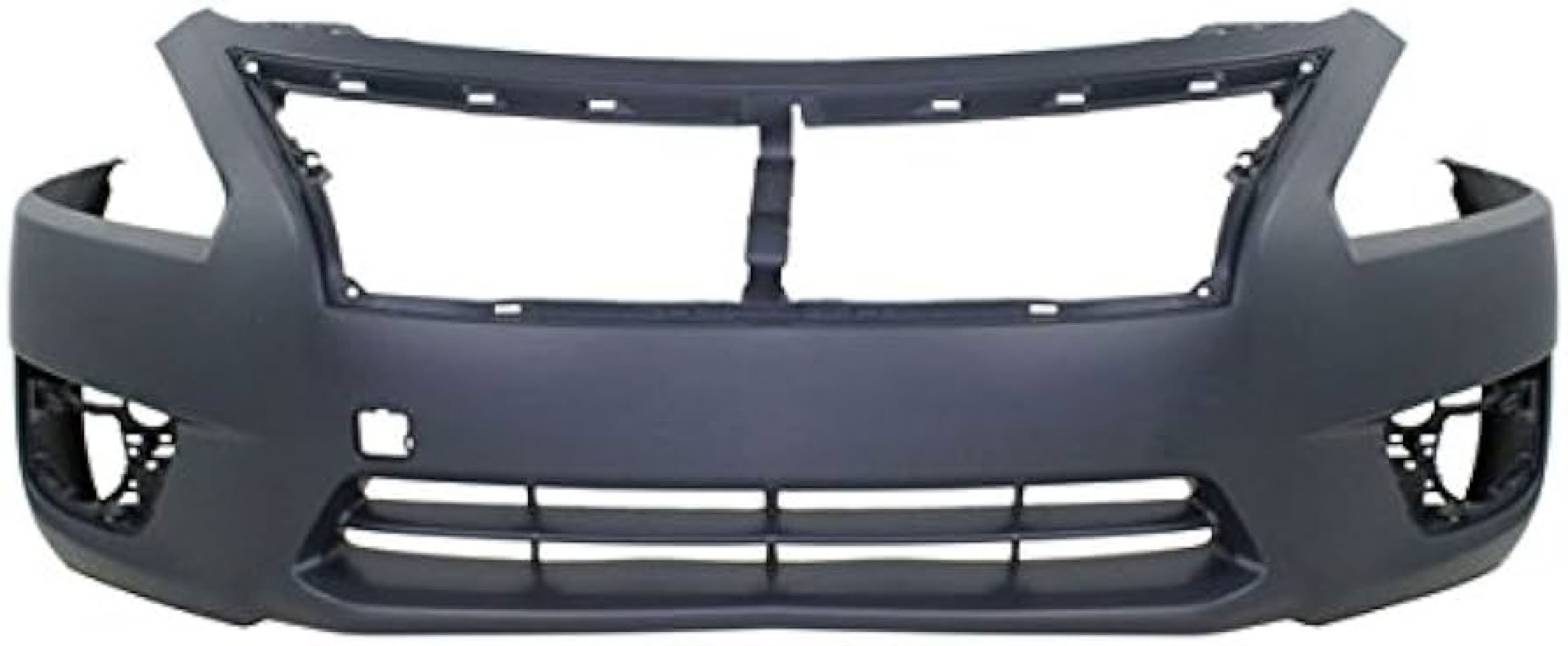
Plastic Bumpers


Most passenger cars have plastic bumpers. 


Plastic bumpers may consist of an outer flexible bumper cover and an inner hidden reinforcement. 


The cover is plastic and the reinforcement is metal or plastic.


The cover may also be called a fascia. 


Another type of plastic bumper is made entirely of plastic. 


Passenger car front bumpers are designed to withstand a specified amount of impact force without incurring any damage.


The major part of this assembly is the bumper cover, which may be painted the same color as the vehicle. Inside the cover is a foam-type impact absorber. 


Behind the impact absorber and bolted to the lower frame rails is the steel, aluminum, or plastic impact bar. 


Some vehicles have shock absorber-like isolators bolted between the impact bar and the frame

Conner.

Removing a Plastic Bumper


The first step in removing a plastic bumper is to disconnect any lamps. 


If the bolts or nuts that fasten the impact bar or one-piece bumper to the frame are accessible, remove them. 


Remove the bumper as an assembly. 


There may be retainers around the edges of the bumper. 


To remove bumper cover retainers, use an upholstery tool to raise the center stud. 


If the vehicle has isolators, leave them attached to the frame rails.


If the bumper nuts or bolts are not accessible, the cover will need to be removed separately.


Search the edges of the bumper for retainers. 


Usually the retainers will be at the fenders; along the top of the bumper, under the hood; and along the bottom, under the radiator support.


Remove these retainers and pull off the cover. 


The impact absorber may fall out or it may be attached to the impact bar with retainers.


The impact bar bolts will be accessible with the cover and the impact absorber out of the way. 


Badly damaged covers can be removed with a cut-off tool.

If the bumper was removed as an assembly, remove any retainers and separate any parts that will be reused. 


If all the bumper components are to be replaced, don't bother to disassemble the bumper unless the retainers are needed. 


Position the new bumper components so that as parts are removed from the damaged bumper, they can be transferred to the new bumper.

Installing a Plastic Bumper


If the bumper cover has been painted, be sure not to scratch the paint during bumper assembly and installation. 


If the bumper is to be installed as an assembly, start by placing the cover face down on foam padded (or otherwise protected) sawhorses.


Position the impact absorber and impact bar inside the cover. Install the retainers by pushing the ears through the holes and then pushing on the studs. 


Two technicians should install the assembly on the vehicle.


 One technician holds the bumper in position, while the other technician tightens the bolts under the vehicle.


 If the bumper is not installed as an assembly, first mount the impact bar on the vehicle. Check the bar for level.


Then, position the impact absorber and bumper cover.

Install the retainers. 


A one-piece plastic bumper easily slides onto the retainers and then bolts to the lower frame rails.

There usually is not much adjustment in a plastic bumper. 


In most cases, only the height of the impact bar can be changed.


 If the bumper is not level or if the height is incorrect, adjust the height at the impact bar. 


Make sure the edges of the bumper are aligned with the rest of the vehicle. 


If the bumper cover will not line up after adjusting the height of the impact bar, check the uni-rails, the radiator support, and the aprons for damage. 


Repair these as needed.


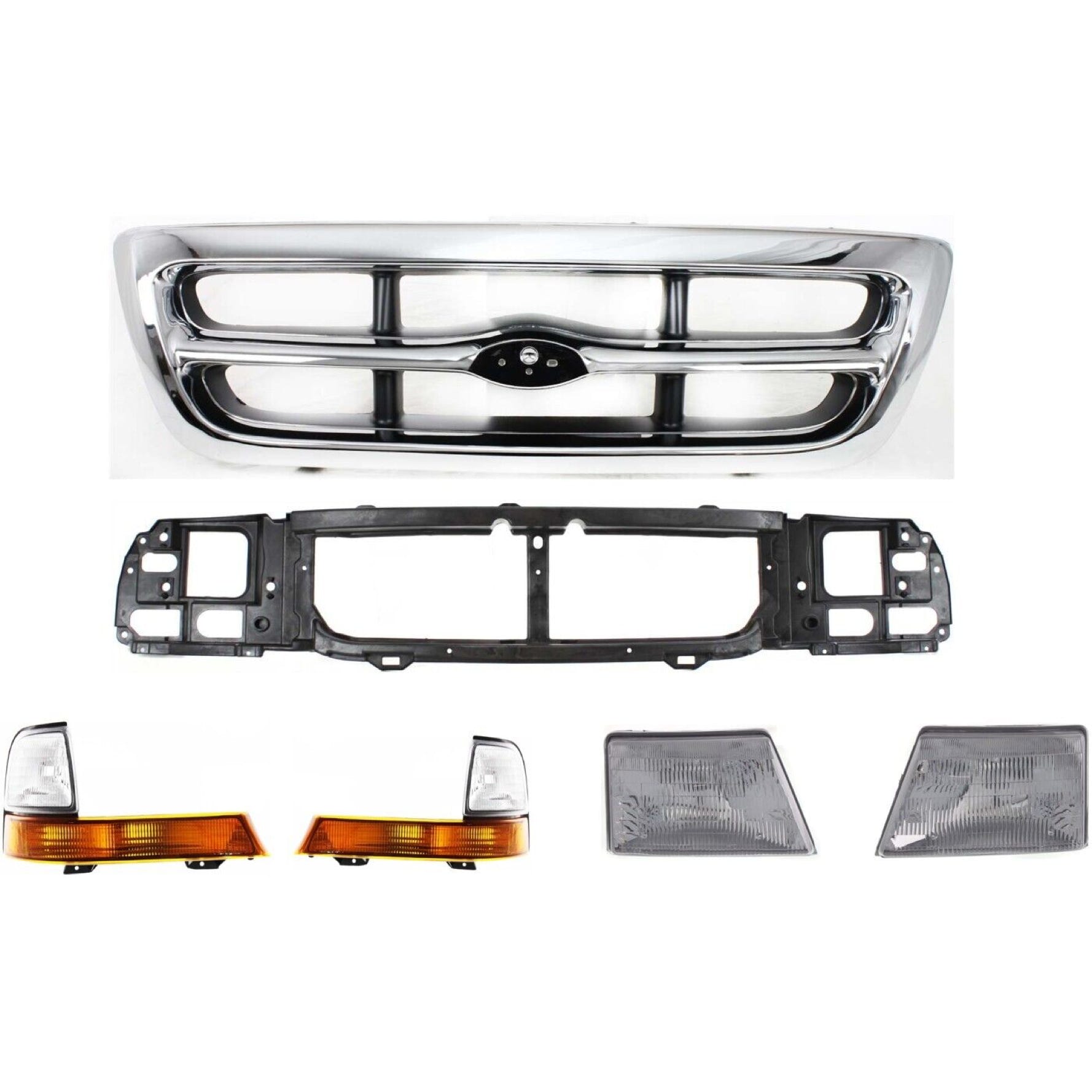
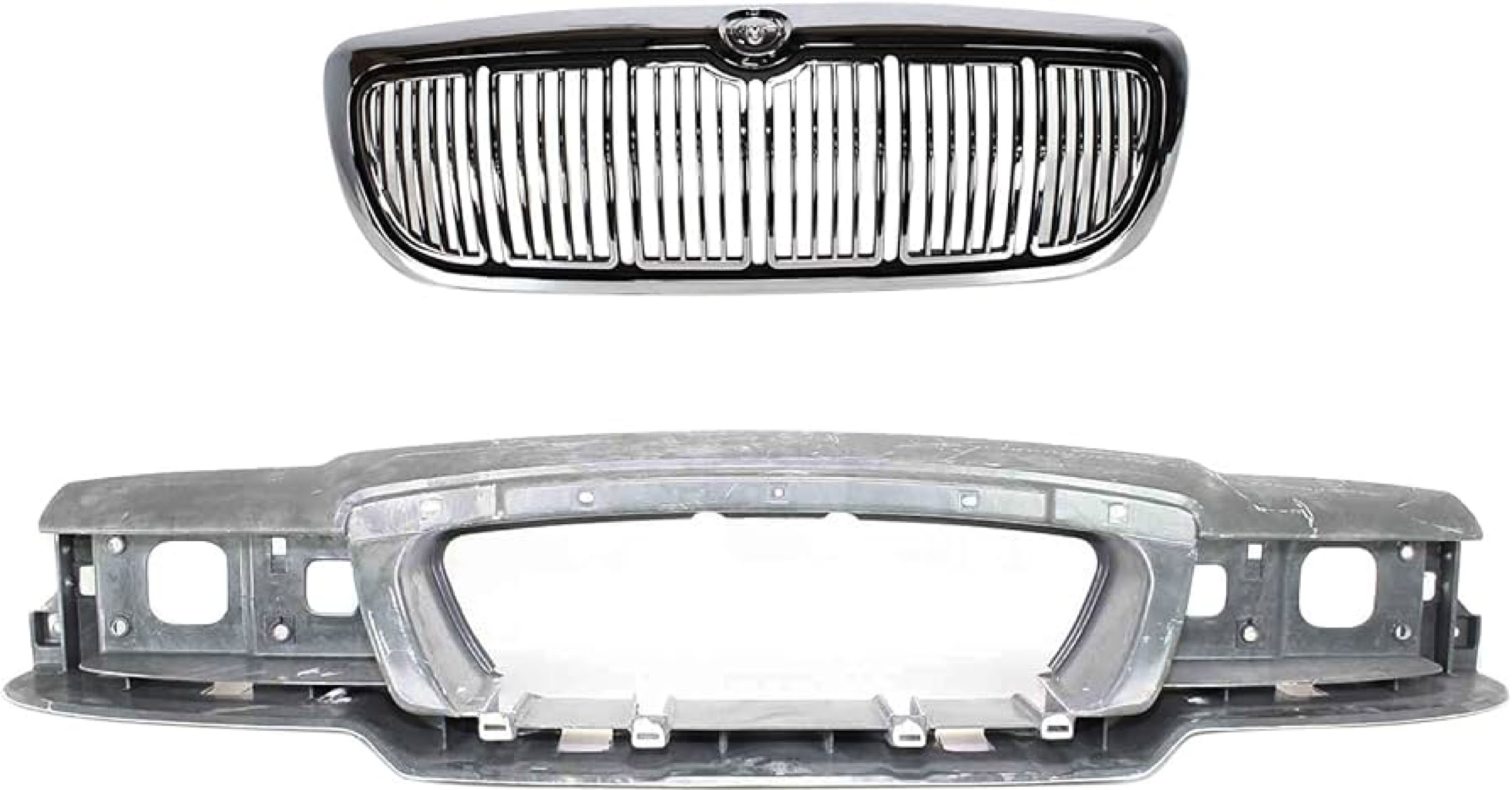
Header Panel


The header panel is also called the headlight mounting panel or the grille panel. 


On some vehicles, the header panel is an appearance panel. 


An appearance panel is readily visible from outside the vehicle. 


Most appearance header panels are painted the same color as the vehicle. Header panels are usually made of plastic. 


NOTE:

The bumper should be level and the gaps should be uniform as shown here.  The bumper cover should fit tight and line up with the fender.


Nonappearance header panels are commonly called headlight mounting panels. 


Nonappearance panels are not painted. 


 The components include the headlight assemblies, the grille, and the brackets.


The header panel is mounted to the fenders with studs and nuts.

Removing a Header Panel


The first step in removing a damaged header panel is to disconnect the headlights or marker lamps.


 Leave the bulbs in the lamps. If the headlights block access to the bolts, remove the headlights and the trim. 


Next remove the nuts from inside the fenders or unbolt the header from the fenders. 


The fender liner may have to be removed to accomplish this task. 


There also may be a center bracket that must be removed.


NOTE


If two or more damaged parts are connected, remove them together rather than taking the time to unbolt them.


If a fender and the header panel are both damaged, remove the fender and header together. 


Do not take the time to unbolt the header panel from the damaged fender. Badly damaged header panels can be removed with a cut-off tool.


The header panel is mounted to the fender by a stud that screws into a plastic mount in the panel. 


The stud is inserted through a hole in the front flange of the fender.


 A nut holds the fender to the stud. Occasion-ally, the stud will break loose, stripping the threads from the plastic mount in the header panel. 


When the nut is turned to remove the nut from the stud, the stud turns with the nut. 


When this occurs, simply pull the header from the fender. 


Then grab the stud with locking pliers and turn the nut. 


Before reinstalling the header panel, apply plastic adhesive to the mount and install the stud. The plastic adhesive will hold the stud in place.


Remove any parts that will be used in the replacement header panel, such as the headlight assemblies Or grille. 


The headlights may have a special type of retainers or clips.


NOTE:


Place the nuts, bolts, clips, and other panel components in labeled plastic bags. 


All the fasteners for one panel or component should be kept together.

Installing Header Panel


If an appearance header panel has been painted, assemble the header on foam-padded sawhorses. 


If padded sawhorses are not available, install the header panel on the vehicle and fit all of the components onto it.


The header panel is installed by positioning the panel so the mounting studs can slide into the holes in the fenders. 


Once the header panel mounting studs are positioned, install and tighten the nuts on the mounting studs. 


Some header panels have a filler panel that is bolted to the header panel and the radiator support. Install the filler panel after the header panel is aligned.


Header panel alignment is dependent on the position of the fenders and radiator support. 


These components must be properly aligned before aligning the header panel. Alignment checks for a header panel are shown in Figure 10-22. Check the header panel for level.


NOTE:


These checks should be made when aligning a header panel. 


The header-to-fender gap on this vehicle is slightly uneven. Try to tighten the bottom mounting stud nut to close the gap.


 On an appearance header panel, make sure that the edges of the header panel align with the front edges of the fenders. 


Check the gap at the hood and make sure the body lines align properly. 


There is only a small adjustment possible on a header panel. 


A slight up-and-down and left-to-right movement is all that is allowed.


 If the gap between the header panel and the hood is not even, check the fender alignment. 


One fender may be positioned farther forward than the other fender. 


This situation would cause an uneven gap. 


Also check the hood alignment.


 Realign panels as needed.


Fenders


Fenders can be made of steel, aluminum, or plastic. 


Steel fenders can be either a skin fender or a reinforced fender. 


A skin fender is one piece of shaped metal. 


Vehicles with a welded front inner structure, such as most unibody vehicles, have skin fenders.


A reinforced fender is found on vehicles that do not have a welded front inner structure. 


The reinforced fender has an outer skin and an inner panel. The two parts are welded together. 


Vehicles with a bolted-on radiator support, such as some pickup trucks, have reinforced fenders.


 If a reinforced fender is removed, the side of the engine is easily accessible. 


These parts may include the fender liner, side marker lamp, hood bumpers, moldings, and antenna. 


Fenders are installed with nuts and bolts. The nuts are either J-clips or they are welded in place. 


The fender or the cowl of the vehicle may have a tab, or protrusion, on which a J-dip is inserted. 


This tab is not visible unless the door is open and may be accessible only when is fender liner is removed.


The fender liner may be held in place with plastic rivets or single-use retainers. 


Plastic rivets are removed by raising the center pin and prying out the rivet. 


single-use retainers are pulled out with an upholstery tool.


Removal usually damages the retainers, so they cannot be reused.

Removing a Fender


Before removing a fender, the front bumper may have to be removed to access the fender fasteners.


 On a reinforced fender, the hood hinge may be bolted to the fender. 


When this is the case, remove the hood hinge and support the hood. 


Fenders commonly have bolts along the fender flange or mounting tabs (under the hood), at the bottom (on the rocker panel), at the rear, and at the front. 


There may be a hidden bolt or nut, accessible only after removing the fender liner. 


The fender liner should be removed. Use an air chisel to vibrate rusty bolts. 


Disconnect any lamps, remove any fasteners holding the fender in place, and remove the fender.


NOTE:


Do not remove marker lights, moldings, etc., from the damaged fender. 


These parts should remain on the fender until you are ready to transfer them to the new fender.


 Leaving the parts on the original fender until they are needed prevents them from being lost and helps you remember where they belong.

Installing a Fender


Some shops paint the entire fender or just the edges of the replacement fender before it is installed.


Other shops do all the painting after the part is on the vehicle. 


Regardless, the marker lamps and moldings are installed after the fender is installed on the vehicle and painted. 


Position the fender and tighten the bolts enough to prevent movement. 


If the mounting tabs do not line up with the holes in the fender, move the mounting tabs. 


Make sure that the door opens without hitting the fender.


Finally, install the hood bumpers.


NOTE:


If you have difficulty getting the fender to fit properly, make sure the tab, the hidden nut, or the bolt it attaches to is in the proper place. 


Also check the unibody or frame for damage.


The upper front and rear corners of the fender should align with the corners of the hood.


The first gap to check is the fender-to-front door gap.

If the front door is properly positioned, it can be used as a reference. 


The gap between the fender and door should be even, not tapered. 


A taper indicates that the front of the vehicle may be high or low. 


If the gap is tapered, try moving the fender forward or rearward at the bolts on the rocker panel. 


If the gap between the fender and the door is too narrow or too wide, move the fender at the bolts or tabs under the hood. 


Once the gap is correct, tighten the rocker bolts.


Next, check the hood-to-fender gap. 


The hood must be correctly adjusted to serve as a reference. 


Again the gap should be uniform. 


The gap should also match the fender-to-hood gap on the opposite side of the vehicle. 


Adjust the fender in or out to make the proper gap. 


If the fender cannot be adjusted to make the gap correct, then move the fender edge.


 A block of wood is used to spread are the soften the hammer's blow. 


The intent is to drive out the edge of the fender. 


This will give a slight change (about 3 mm) in gap width. 


Position the wooden block On the lip of the fender and tap the lip out.


 Do not wrinkle the fender. 


To make the gap narrower, tighten the fender bolts and use a body chisel to drive the bottom of the fender flange out. 


This technique moves the fender flange out but does not move the lip.


 Once the flange is moved, the bolts can be loosened and the fender moved inward to make the gap narrower. 


Tighten the under-hood fender bolts once the gaps are correct.

Now check to see that the fender is flush to the hood and front door. 


The hood and fender top should be at the same height and the body line on the fender should align with the body line on the door.


 If the fender is not flush with the hood, then the hood is usually adjusted to fit the fender. 


The fender should be flush with the door. If the fender is positioned inward compared with the door, the fender can be "spooned out”.


The edge of the door is taped to prevent damage. 


The spoon is placed behind the fender and the door is used for leverage. 


The tender is brought out until it is flush or positioned out slightly more than the door.


To raise a fender edge to be flush, taste lithe door and pry out on the fender with a spoon. 


If possible, locate the spoon near a body line. The area near a body line is stronger and less likely to bend.


If the fender is protruding in comparison to the door and there isn't any adjustment on the fender, bend the fender in with a body chisel placed on the body line.


Use hand pressure only. 


Do not hammer on the chisel.


If the fender does not have a body line, simply use hand pressure to bend it in.

Only a slight amount of movement is possible. Make sure the door opens and closes without hitting the fender when making flush adjustments.


Once the new fender has been installed, the parts remaining on the original fender can be moved to the new fender. 


Marker lamps may be held in place with sheet metal nuts. 


Use a deep-well socket to unbolt these nuts.


 Remove glued-on moldings with a heated putty knife or a molding chisel.


WORKING SMART:


When transferring components from the damaged part to the new part, set the parts side by side. 


Unbolt one component and install it on the new part before moving on to the next component. 


This procedure will help prevent confusion.

Hood


Hoods can be made of steel, aluminum, or plastic.

Most vehicle hoods are opened at the front. 


Hood hinges are bolted to the hood and welded to the cowl or bolted to the cowl or fenders. 


The hood is held shut by the striker and the hood latch.


A safety catch prevents the hood from flying open if it is not latched. 


Some vehicles have a hood insulator and an under-hood lamp. 


Hoods may also have emission control stickers. 


Hood stops keep the hood at the proper height. 


The hood is held open by a prop rod or by springs in the hinges. 


A release cable, pulled from inside the passenger compartment, unlocks the latch.


Some vehicles have a ground strap bolted to the hood and the cowl.


Removing a Hood


To remove a damaged hood, the hood must be opened.


 Collision damage may misalign the latch so much that it will not release the striker. 


Pull the cable release knob from inside the passenger compartment.


The hood may pop open. If it does not, one technician should pull on the release while another pulls up on the hood. 


If this does not work and the latch bolts are accessible, either through a broken out grille or from under the vehicle, remove the cable release and unbolt the hood latch. 


If this is not possible because of radiator support damage, insert a long pry bar under the hood and pry open the hood. 


If this does not work, use a cut-off tool to cut off the striker area of the hood.


 Once the hood is open, disconnect the under-hood lamp and ground strap.


 Position a technician at each hood hinge, unbolt the hood from the hinges, and remove the hood.


 If only one technician is available, tape protective cardboard to the windshield and position a prop rod at each front corner of the hood. 


Unbolt one hinge and set that corner of the hood against the cowl. 


Then, unbolt the other hinge and remove the hood from the vehicle.


If the hood has an insulator pad, use an upholstery tool to remove the pad clips. 


The plastic pad clips are easily broken when removed, especially on older vehicles. 


The hood may have a weather strip that is clipped in place. 


These clips are also removed with an upholstery tool. 


Unbolt any remaining parts.


Installing a Hood


Usually the underside of the replacement hood is painted before installation.


 Install any bolted parts and then place the insulator pad in position. Use new clips to hold the insulator pad in place.


Remove the hood latch. This should be done on all panels that open and shut. 


The reason is that if the hood is installed and the alignment is incorrect, it may be difficult to get the hood open after shutting it. 


To avoid this dilemma, remove the latch until the alignment is set. 


Then install and align the latch.


Make a quick X-check of the hood opening. 


If the legs of the X are within 6 mm of each other, the hood can be aligned. 


If there is more than a 6 mm difference between the legs of the X, there is an out-of-square condition in the hood opening. 


The hood cannot be adjusted to fit properly.


If two technicians will install the hood, position the tools and bolts within easy reach of each hinge. 


Each technician supports one side of the hood and installs the bolts.


The procedure for one technician to install the hood.  The hood rear corners are set on the cowl and the hood is held open by prop rods. 


The technician installs the bolts in the hinges.


 Position bolt-on replacement hinges as close as possible to the position of the original hinges.


Welded-on hinges should be positioned to check hood alignment before welding. 


Drill holes in the hinges and the cow. 


Insert J-clips in the cowl and bolt the hinge in place.


Install the hood and check the alignment. 


Once the alignment is correct, the hinges can be welded in place.


The first check is made at the cowl vent panel or windshield.


 If the gap is even, the hood is on straight. 


If the gap is not even, adjust the position of the hood by loosening the hinge bolts and moving the hood forward or rearward. 


Make sure the gap is straight. 


The corners of the hood should align with the upper front corner and upper rear corner of the fender.


Next check the gaps at the fenders. If the gap or gaps are tapered, adjust the fenders to match the hood. 


If one side is narrow and the other side is wide, push the hood over  or loosen the hinge bolts and move the hood over.

NOTE:


If the hood-to-fender gap is correct on one side and tapered on the other side and the hood gap at the cowl vent panel is even, adjust the fender on the side of the taper.


Once the rear and side gaps are equal, look at the front gap. 


If there is an appearance header panel, plastic bumper cover, or headlights, the gap should be even. 


If the gap is not even, adjust the header panel or bumper cover. Headlights cannot be adjusted to fit. 


On all vehicles, check the height of the hood at the front. 


Adjust the hood stops on the radiator support to make a flush fit between the hood and the fenders.


Once these are aligned, install the hood latch.


Position the latch so the striker hits in the center of the latch.


A misaligned latch will pull the hood to one side. 


When the hood latch is released, the hood will jump from one side to the center. 


If the hood jumps to the left when opened, the latch is too far to the right. 


Move the latch to the left to center it.


The hood should latch completely when it is dropped from about one foot above the radiator support.


With the hood shut, pull up on the front of the hood.


There should not be any movement. 


If there is up-and-down movement in the hood, the latch is too high and the striker is not fully engaged. 


Lower the latch and recheck for movement. 


With the hood latched, pull the cable release.


 The hood should pop up.


If the hood does not pop up when the cable is pulled, oil the latch. 


Close and open the hood a few times to help distribute the oil. If this does not work, check the striker. 


An impact on the hood could have bent the striker. 


A striker can be straightened by holding it with locking pliers and bending it back into shape.


 To function properly, the striker must point straight down.


Check the height of the hood at the rear.


 If the hood and fenders are not flush, raise the hood hinge up or down to adjust the height. 


If the height of the hood hinge cannot be adjusted, a shim can be added to change hood height. 


This technique also works on deck lid hinges. 


Adding a shim between the hood and the hinge at the wear bolt raises the rear of the hood and lowers the rent of the hood. 


If the shim is placed at the front bolt, the rear of the hood drops and the front goes up. 


If there is a height problem at the center edge i the hood, the hood edge height can be adjusted slightly. 


Applying pressure at the center of the hood with a soft wedge in the front of the hood will bring the level down.


Move only the edge of the  hood. 


This method will not work on a plastic hood.

Doors


Doors are complicated assemblies.


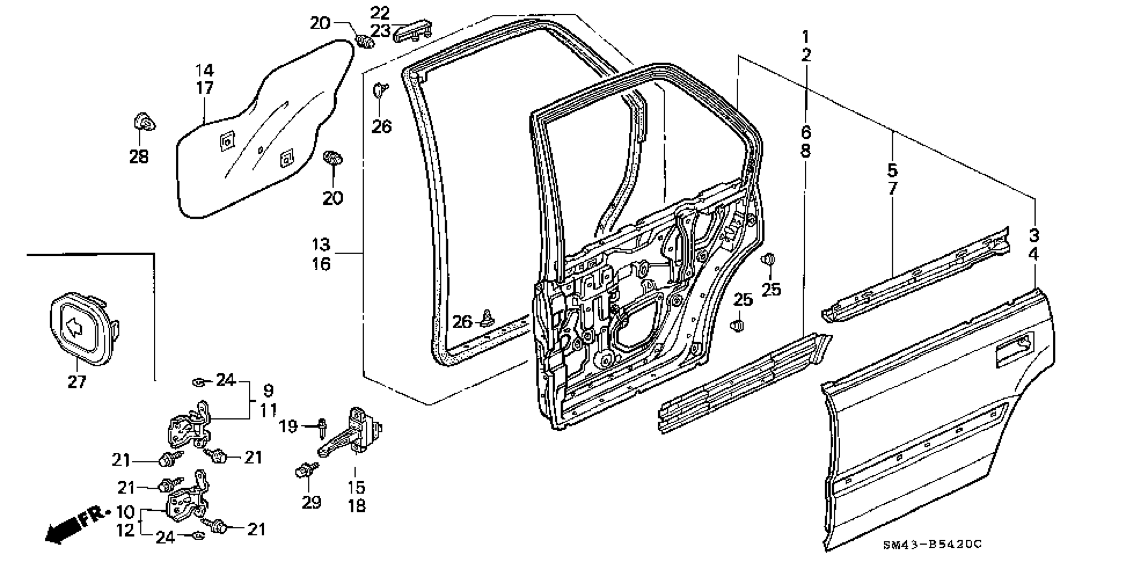
 Doors consist of the door shell, the door skin, the crash beam, and in most cases, the window frame. 


The door shell is the framework that supports all other door components. 


The door skin is the outer panel of the door. 


The crash beam helps protect occupants in the event of a side impact.


The internal components of a door are bolted, riveted, or slid into part of the door shell. 


The latch engages the striker to hold the door shut. 


Hinges allow the door to swing open. 


The hinges may be welded or bolted to the cowl or door. 


The door check prevents overextension of the hinges. 


The window is moved up and down by a manual or power window regulator. 


The glass moves in run channels. 


The inner and outer belt moldings seal the glass, keeping out water. 


Water that leaks past the belt molding will cause the inside of the door to rust. 


The door handles (inside and outside) and locks (inside and outside) move rods that are connected to the door latch.


The door locks may be manual or power.


 A plastic water shield is glued to the inside of the door frame. 


The water shield helps keep moisture out of the inside of the door.


To check a door hinge for wear, open the door and try to raise the rear. 


Play in the door indicates worn hinge bushings. A door cannot be aligned if the bushings are worn.

Removing a Door


Collision impact may damage the latch and striker or misalign them so much that the door cannot be opened normally. 


If this is the case, there are at least two ways to remove the door. 


The first option, if the quarter panel or rear door is damaged, is to use a long pry bar.


 Insert the bar between the door and the pillar; pull on the door handle at the same time as you pry the door open. 


Another option is to use a cut-off wheel to cut a window in the door skin below the handle.


This window gives access to the rods that control door operation. 


Pull the rods to open the door.


Once the door is open, it can be removed. 


First, disconnect any electrical wires going to the door. Pull back the rubber cover in between the door and the cowl. 


Some vehicles have an electrical connector that allows all the wires in the door to be disconnected at once. 


Pull out the wires from the cowl to see if the vehicle has this type of electrical connector. 


If there isn't any connector, the wires must be disconnected inside the door and pulled out before the door is removed. 


To remove the trim panel, search the panel for clips. 


Usually there are clips around the outside and possibly in the center. 


Screws are often found around the door handle and arm rest. 


Remove the screws, pop the clips loose with an upholstery tool, and remove the trim panel. 


Then remove the plastic water shield.


Disconnect the electrical wires and pull them out of the door.


 If the door has bolted-on hinges, remove the door from the hinges. 


Leave the hinges attached to the cowl.


To remove doors with welded-on hinges, use a special tool to remove the spring.


Then support the door shell with a floor jack and drive the center pin out of each hinge. 


The pin in the upper hinge is driven down and the pin in the lower hinge is driven up.


NOTE


To remove damaged hinges, remove the bolts or drill out the welds holding them in place. 


Some bolted hinges have a bolt that is installed from the inside of the vehicle. 


In this design, the front door's upper hinge bolt is accessible from under the dashboard.


After the door has been removed from the vehicle, it can be disassembled. 


Some parts, such as the run channels, glass, and door handles, may be riveted in place. 


To remove rivets, use a punch to knock out the mandrel in the center of the rivet.


Then, using a drill bit that is slightly larger than the hole in the center of the rivet, drill through the hole.


This will release the rivet. 


Remove the run channel from around the window frame. 


Either unbolt or drill out the rivets holding the window to the regulator.


Slide the window out. Remove the regulator, lock latch, and handles.


NOTE

To lower the power window on a used door, hook the leads from a battery charger or a spare battery to the power connectors on the window regulator.

Installing a Door


An empty door shell is lighter and easier to install than an assembled door shell. 


If hinges are to be replaced, they are installed before the door. 


The replacement for a welded-on hinge may be a bolt-on hinge. 


When this is the case, instructions will generally be provided with the replacement hinge. 


If the replacement hinges are welded on, they are installed by temporarily positioning them with bolts and then fitting the door. 


Once the alignment is correct, weld on the hinge. With the hinge in place, bolt on the door. 


For welded-on hinges, push the hinges together and slide the pins in place.


 Insert the compressed door spring in the slots and release the tool.


 When installing a used door on a vehicle with the fender removed and that has a latch in place, one technician can position the door in the opening and engage the striker in the latch.


This will support the door while the technician bolts or drives a pin.


The alignment checks are easier if the striker or door latch is removed. 


The first check is made at he bottom of the door. 


If the gap is even, the door is hanging level. If the gap is too narrow, loosen the door on the hinges and move it up. 


Do the opposite if the door gap is too wide.


 If the gap is tapered wide at the front and narrow at the rear, move the top hinge where is bolted to the cowl forward and the bottom hinge rearward. 


This will widen the gap at the rear. 


Do the opposite if the gap is narrow at the front end and wide at the rear. 


If the hinges cannot be moved forward or rearward at the fender, try adding a shim between the door and the hinge. 


 When the bottom gap is correct, look at the gap between the window frame and the A-pillar. 


This gap should be even and flush.


Use a sheet of paper to check for sealing. 


Close the door on the paper and then pull the paper out. 


There should be a slight drag.


No drag indicates that there is not a proper seal and, therefore, there will be an air leak when the vehicle is driven. 


The last check to make is the gap between the fender and the door. 


If the door's gap at the bottom is correct, but the gap at the fender is not good, adjust the fender to fit the door. 


The door should be flush to he adjacent panels and the body lines should align.


Doors with welded-on hinges are adjusted with a bar.


The door latch and striker must be installed to use this tool. 


Insert the tool in the latch and hold it onto the striker. 


Move the door up or down as needed. 


 If a bar is not available, a floor jack can be used at the rear of the door. 


Use a block of wood on the jack saddle to prevent door damage. 


Jack up the rear of the door to raise the door. 


To lower the door, pull the rear of the door down.


If the door does not have a window frame, the door should be adjusted with the window in place.


 The seal between the window glass and the roof's weather strip is critical. 


Adjust the door so it is flush with the quarter panel and fender. 


Adjust the window glass for a good seal on the weather strip. 


If the door cannot be aligned, measure the door opening to see if it is the same as the opening on the other side of the vehicle.


After aligning the door, install the latch, handles, lock, and rods.


 Check to see if the door opens and shuts properly. 


The door should shut when it is pushed from a distance of about two feet. 


It should not hang up as it is opened. 


Oil the latch and shut the door. If the door is difficult to open or shut, loosen and move the striker. 


The striker is usually a Torx bit bolt.


Moving it up will bring the door upward.


Moving the striker in will move the door inward.


Removing a shim will move the striker rearward. 


When the door is latching properly, install the run channels, glass, and regulator. 


Check the window for proper operation.


NOTE


If the power window will not go all the way down after the door replacement, check the routing of the wires. 


The wires may have been routed incorrectly, preventing the window from going down.


Check the operation of the door with all the windows shut, including the window in the replacement door. 


The door should shut easily. 


When everything works, install the water seal and the trim panel.

Deck Lid


A rear deck lid is sometimes called a trunk lid.


The replacement of a deck lid is similar to the replacement of a hood. 


Deck lids may be made out of steel or aluminum.


The striker and latch may be found on the deck lid and he rear body panel. 


The hinges are bolted to the har and are welded or bolted to the rear package shell. when the latch is released, torque rods or springs pop he lid open and hold it open. 


A lock releases the latch.


There may be a lamp and a remote release. 


A weather strip between the lid and the body seals the luggage compartment. 


The height of the deck lid at the rear is adjusted with stops.


Removing a Deck Lid


A deck lid that is smashed shut can be opened by prying or cutting the lid away from the striker.


 If the lid has been misaligned by a rear hit, the hinges may be bent. 


If the front edge of the lid overlaps the rear window, straighten the hinge before removing the lid.


Use a ten-pound slide hammer to move the hinge rearward. 


Remove the hinge bolts after all the electrical wires have been disconnected.


Because most deck lids are small, this is usually a one-man job. 


Transfer parts to be used in the new deck lid once the new lid is installed.

Installing a Deck Lid


Bolt the new deck lid in place. Install the electrical connectors, but do not install the latch. 


This will make the alignment easier. The alignment checks for a deck lid are as follows.


Check the gap al the rear window first. If this gap is even, the lid is on straight.


 Move the lid forward or rearward on the hinges to make this gap even and the correct width.


Next check the gap at the quarter panels. 


This gap should not be tapered and should be the same width on both sides of the vehicle. 


If the gap is not even on both sides of the vehicle, open the deck lid and push the lid left or right to even the gap.


Finally, check the gap at the rear of the deck lid.


It should be even. 


Occasionally a new or used deck lid or hood needs some minor tweaking to make it fit.


If the gap is not even and one side of the deck lid is higher than the other, you can adjust the height by placing a block of wood in between the deck lid and the quarter panel on the low side. 


Push down on the high side. This will force the high side down and the low side up.


The lid should fit flush. 


Adjust the stops at the rear to the proper height. 


If the front of the lid is not at the right height, raise or lower the hinge.


 If the hinge cannot be raised, install a shim between the lid and the hinge.


With the deck lid aligned properly, install the latch.


The lid should shut when dropped from a height of approximately one foot. 


If the deck lid will not shut properly, make sure the striker is engaging the latch.


If the striker is on the deck lid, raise the latch. 


If the latch is on the deck lid, lower the latch.

If the stops are adjustable, move the stops down. 


If the deck lid is loose when closed, the latch should be adjusted. 


If the striker is on the deck lid, lower the latch.


 If the latch is on the deck lid, raise the latch. 


If the stops are adjust-able, raise the stops.


Check the seal between the deck lid and the weather stripping with a piece of paper. 


If there is a water leak, the fastest way to find it is to put a technician in the trunk with a flashlight. 


Shut the lid and spray water on the vehicle. 


The technician inside the trunk looks for the location where the water is leaking.


The leak will be at the highest spot where water is seen.


 If the water is leaking from a gap between the weather strip and the lid, tap up on the lip that supports the weather strip. 


This action should close the gap.

Rear Hatch


A rear hatch can be made out of steel or plastic.


The rear hatch will have a window. 


The hatch has simple bolt-on hinges. Lid struts open the lid when the latch is released. 


A striker holds the hatch shut.


A weather strip seals the opening. 


There may be a license plate lamp and brackets. 


There may also be a windshield wiper and motor.


 Stops set the rear height of the hatch.


Removing a Rear Hatch


If necessary, pry or cut open a damaged hatch.


Disconnect any electrical wires after removing the trim panel. 


Removing a hatch is a two-person operation.


Position a technician at either hinge. 


Unbolt the hatch and remove it. 


Finally, remove the glass from the hatch and unbolt the latch or striker.


Installing a Rear Hatch


The new hatch should be painted entirely or painted underneath and around the window opening before installation. 


Transfer the parts to the new hatch.


Bolt the hatch in place.


A hatch has a minimal amount of adjustment. 


Check the gap between the hatch and the roof first. 


This gap should be even.


 Adjust the hatch rearward if the lid hits the roof. 


If the gap is tapered, adjust the hatch as needed. 


The gap between the hatch and quarter panels should be even and uniform from side to side.


Next, check the gap at the rear body panel or bumper. 


It should also be even.


 If the hatch is not flush to the body. 


adjust the stops. 


Check the hatch for a proper seal using piece of paper.


 Place the paper between the hatch and the weather strip, close the hatch on the paper, and then pull the paper out. 


There should be a slight drag. 


No drag dictates that there is not a proper seal and, therefore, there will be an air or water leak.

Sliding Door


Sliding doors are found on minivans. 


They may be made of steel or plastic. They usually have a window.


The sliding door moves on upper and lower rollers. 


There may be two latches, front and rear. 


The latches are operated by rods connected to handles. 


Some sliding doors have a remote opening feature. 


Electrical connections are maintained by contacts rather than wires. 


Like other doors, sliding doors have weather strips and strikers.


Removing a Sliding Door


A sliding door is relatively simple to remove from the vehicle. 


Either pry or cut open the damaged door if it does not open easily. 


Then, unbolt the upper and lower rollers and remove the door. 


Mark the location of the strikers and then remove the strikers from the body of the van. 


Remove the latch rods, glass, and connectors.


Installing a Sliding Door


Either paint the entire door or paint the inside of the door and glass area before installing any parts.


Then install the latch, rods, glass, and connectors on the replacement door. 


Bolt the new sliding door onto the rollers.


With two or three strikers and two or three roller attachment points, a sliding door has a considerable amount of adjustment.


 Alignment checks on a sliding door, as with other doors, check the door-to-rocker gap first.


 Move the roller brackets up or down as needed to achieve the proper gap. 


Check the gap along the top of the door. 


If the rocker panel gap is even, this gap should also be even. 


Make sure the sliding door is flush with the surrounding panels. 


If necessary, adjust the roller brackets to make the sliding door flush.


Now install the strikers in their former locations. 


Slide the door to close it. 


It should glide shut. If the door does not close easily, oil the rollers and the latches. 


Check the fit at the rear of the door. 


The door should be flush with the quarter panel. 


Move the striker in if the door is positioned out or move the striker out if the door is pointing inward.


If the door is too low, raise the striker. 


Check the fit at the front of the door. 


Adjust the striker for a flush fit. 


Finally, check the height and adjust if necessary.

Pickup Bed


Pickup truck beds are made out of steel, aluminum, or plastic. 


The bed has one or two gas cap doors, taillights, and a tailgate. 


Some beds have removable rear fenders.


Removing a Pickup Bed


The first step in removing a pickup bed is to remove the tailgate. 


Most tailgates do not have hinges. 


Instead, a tailgate has a knob or holder at each end. 


If the knobs are on the tailgate, they fit into holders mounted to the bedside. 


If the knobs are located on the bedsides, the holders are on the tail. gate. 


Open the tailgate and remove the retainer bars Or cables. 


With the retainer bars or cables removed, the tailgate can be opened to an angle greater than 90° with the side of the bed.


 On most trucks, the holder on the right side of the vehicle is notched so that when the retainers are removed and the tailgate is lowered, the knob can slip out of the notch in the holder. 


Some trucks do not have a notch in the holder.


On these trucks the holder must be unbolted from the bedside. 


After lowering the tailgate to the correct position, it can be removed.


After removing the tailgate, disconnect the tail-lights. If the rear bumper is in the way, remove it.


Disconnect the fuel filler neck. 


Decide on a place to set the bed before removing it from the vehicle. 


Then, unbolt the bed from the frame.


The bolts may be rusty and difficult to reach. 

\

When the bed is loose, position a technician at each corner and lift the bed off the frame.


NOTE


Some beds are held in position with stove bolts, which have a square section under their head that fits into a square hole in the bed. 


These bolts will sometimes turn as their nuts are

removed.


 If this occurs, grip the heads with locking pliers or grind off the heads to facilitate removal.


Installing a Pickup Bed


Set the new bed in place on the vehicle.


 Be careful not to hit the back of the cab. 


Line up all the bolt holes before tightening any bolts. 


When all of the bolts are in place, check the alignment.


Bed position can be moved from side to side or front to rear.


 Height is adjusted either by using shims between the frame and the bed or by bending the frame. 


Do alignment checks.


The gap between the cab and the led should be eaual side to side. 


The fastest way to measure this gap is with your fingers.


 Adjust the bed to make the gaps equal.


Next, sight down both sides of the truck to see that the bed is flush with the cab. 


Move the bed over if it is not flush. 


Check for level between the cab and the bed after the tailgate is installed. 


A slight difference in height can be corrected with shims. 


Insert a shim between the bed and frame to raise a low area. 


However a difference in height may indicate a bent frame or brackets.


Once the bed is aligned, tighten the bolts. Install the taillights and fuel filler neck.

Summary


—Replacement bolted parts can be obtained from three sources: original equipment manufacturers, salvaged vehicles, and aftermarket suppliers.


—Be alert for hidden damage, which is evident only after parts have been removed.


—When replacing several panels on the side of a vehicle, always position the panel with the least amount of adjustment first.


—Movable parts should be adjusted so they function properly and are aligned correctly with other panels.


—Non-movable parts should be positioned so the panel gaps are correct.


—All panel gaps should be uniform in width.

Tapered panel gaps are a sign of misalignment and a poor-quality repair.


—All parts installed should be level relative to the vehicle.


—Flush means that two or more adiacent panels are at the same surface level.


—One goal in removing any damaged part is to avoid creating additional damage.


—Header panel alignment is dependent on the position of the fenders and radiator support.

These components must be properly aligned before aligning the header panel.


—If you have difficulty getting a fender to fit properly, make sure the tab, the hidden nut, or the bolt it attaches to is in the proper place. Also check the unibody or frame for damage.


— When installing a hood latch, position the latch so the striker hits in the center of the latch.

A misaligned latch will pull the hood to one side.


—The alignment checks for a door are easier if the striker or door latch is removed.


—Pickup bed position can be moved side to side or front to rear. Height is adjusted using shims between the frame and the bed or by bending the frame.