Intro to Collision and Repair
Introduction
The collision repair industry is expected to grow for the foreseeable future. There are approximately 35,000 body shops in the United States.
These shops employ about 172,000 workers. For many years, the collision repair industry has suffered from a lack of adequately trained entry-level workers. Projections show that there will be approximately 195,000 total jobs in collision repair by 2022.
This chapter will introduce you to the world of collision repair and refinishing. It begins with an overview of the collision repair process.
It then details the various job opportunities available in the collision repair industry. The chapter concludes with a look at the educational resources that will help you prepare for a career in collision repair and refinishing.
The Repair Process
To understand the collision repair industry and the opportunities it offers to trained and motivated workers, you should have a basic understanding of the collision repair process.
This will allow you to become familiar with the steps involved in repairing a damaged vehicle.
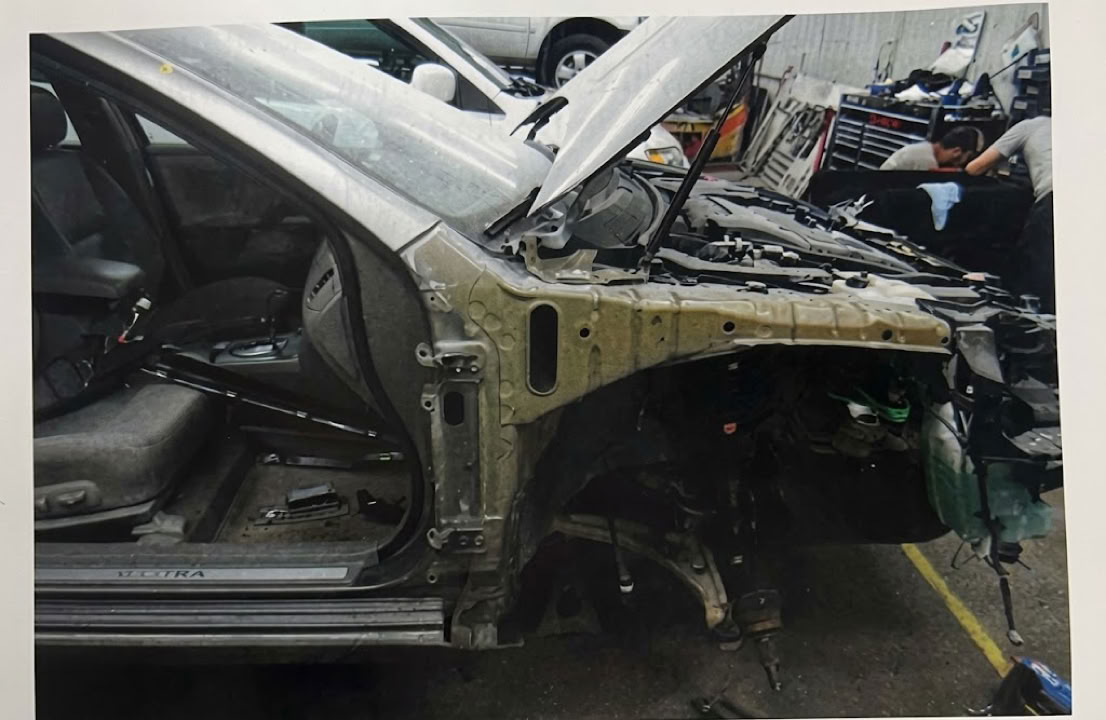
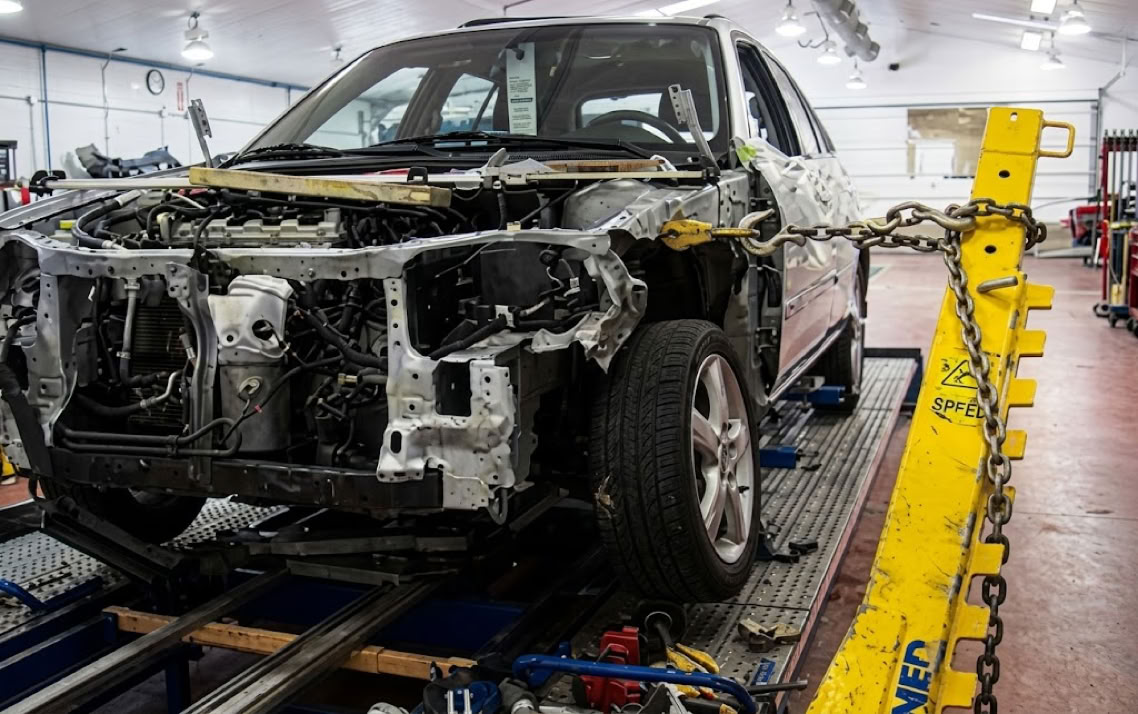
Vehicle damage can range from minor damage, such as a scratch in the paint, to major damage, such as a bent frame. A vehicle that is damaged so badly that repair costs exceed the actual cash value (ACV) of the vehicle is called a total loss.
An older vehicle, which is generally worth less than a newer vehicle, will be declared a total loss with less damage than its newer counterpart.
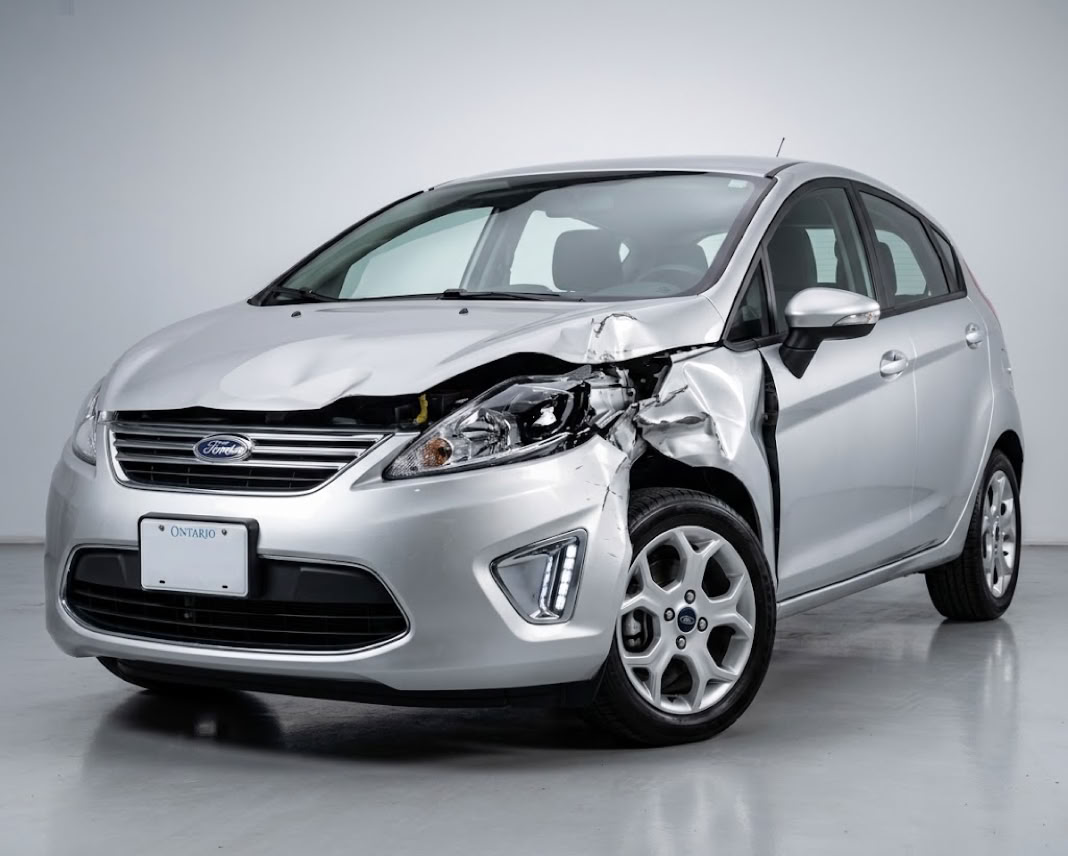
Vehicles that are a total loss are usually not repaired by body shops. However, there is a segment of the collision repair industry that buys, repairs, and sells total loss vehicles.
The technicians who perform this type of work are called rebuilders.
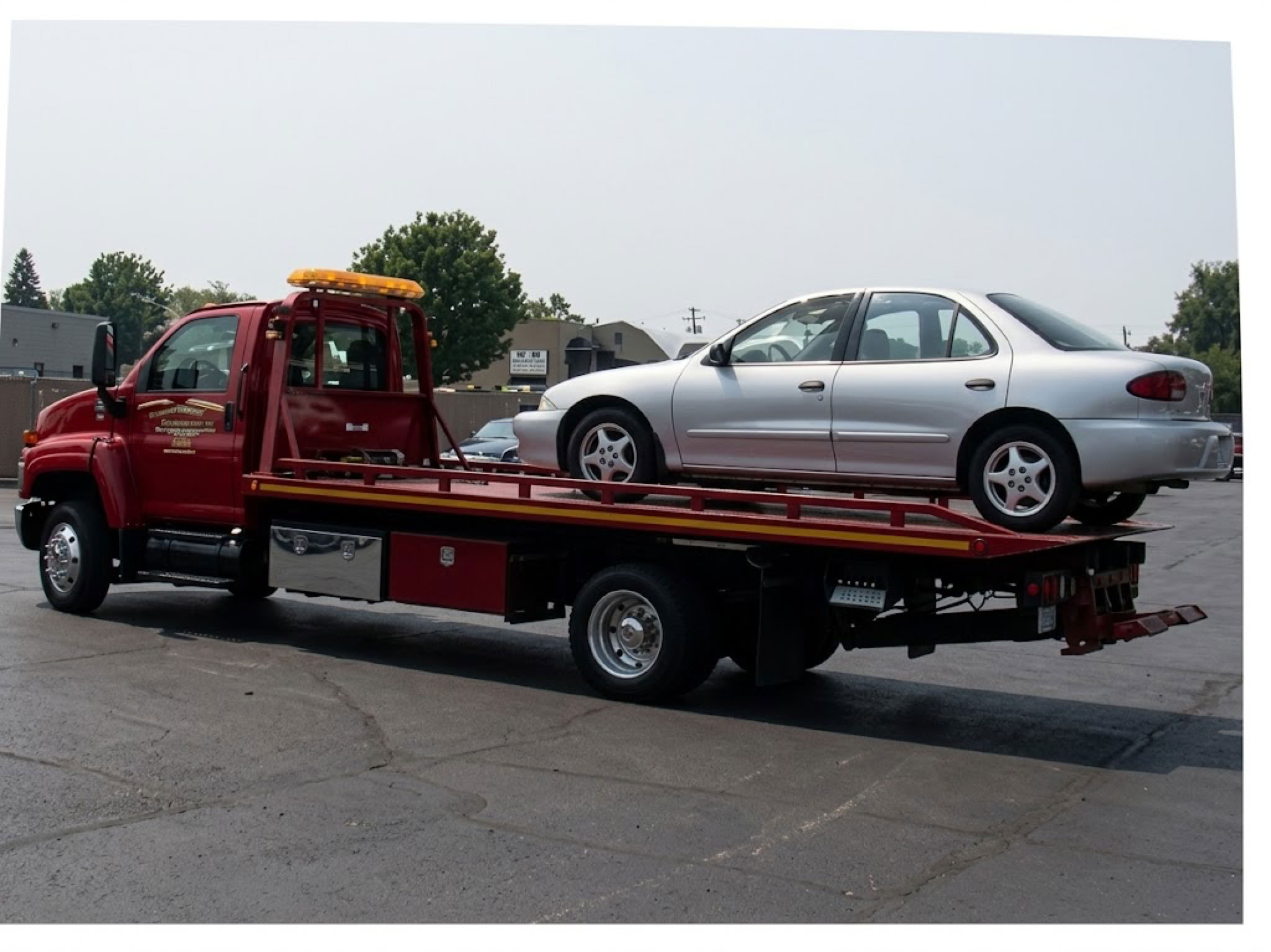
The collision repair process often starts soon after a vehicle is involved in a collision. If the damaged vehicle is not drivable, it must be towed from the scene of the accident.
Damage that can render a vehicle non-drivable includes a leaking radiator, broken steering linkage, or sheet metal that is touching a tire.
Additionally, a vehicle should be towed from the scene if it has suffered damage that would make it unsafe to drive, such as a shattered windshield.
A non-drivable vehicle is taken by a wrecker, or tow truck, to a storage lot or body shop lot. The vehicle's owner can request that the vehicle be towed to a specific location.
Insurance Claims
Insurance companies pay for most repairs made by body shops.
Body shops deal with insurance companies on a daily basis.
There are several types of insurance available.
A vehicle's owner can buy liability insurance to pay for damages caused by the vehicle. For example, if Mr. Wilson has liability insurance coverage and hits Mrs. Smith's vehicle, the insurance company will pay for the damage to Mrs. Smith's vehicle and will also pay for any injuries to the occupants of Mrs. Smith's vehicle.
The damage to Mr. Wilson's vehicle will not be paid for by the liability insurance. If Mr. Wilson wants to fix his vehicle, he must pay for the repairs out of his own pocket
If Mr. Wilson had liability insurance and comprehensive insurance, the insurance company would have covered the cost of repairing his vehicle, as well as Mrs. Smith's vehicle.
Comprehensive insurance usually has a deductible. The deductible is the part of the repair cost the vehicle's owner is responsible for paying.
The owner pays the deductible, and the insurance company pays the remaining repair cost.
If, for example, Mr. Wilson has $500 deductible comprehensive insurance and the total repair cost is $4500, Mr. Wilson pays $500 and the insurance company pays $4000.
A claim is made when an insured person suffers a loss and reports this loss to the insurance company.
Insurance company employees who handle claims are called adjusters. After the claim is made, the damaged vehicle must be evaluated.
If a damaged vehicle is drivable, an insurance company may ask the insured individual who has made a claim to get two or three body shop estimates.
The vehicle's owner then takes the vehicle to various body shops. Each body shop evaluates the vehicle and prepares a written estimate of the repair cost.
The vehicle's owner then gives the estimates to the insurance adjuster.
By getting multiple estimates, the customer completes the comparison-shopping process for the insurance company.
The insurance company pays the claim based on the lowest estimate. The insurance company may present a check for the payment of the repairs directly to the vehicle's owner, or it may issue a check that is payable to both the vehicle's owner and the body shop.
Both the owner and the body shop must sign the check before it can be cashed. In some cases, the vehicle's owner may decide to keep the money and not repair the vehicle.
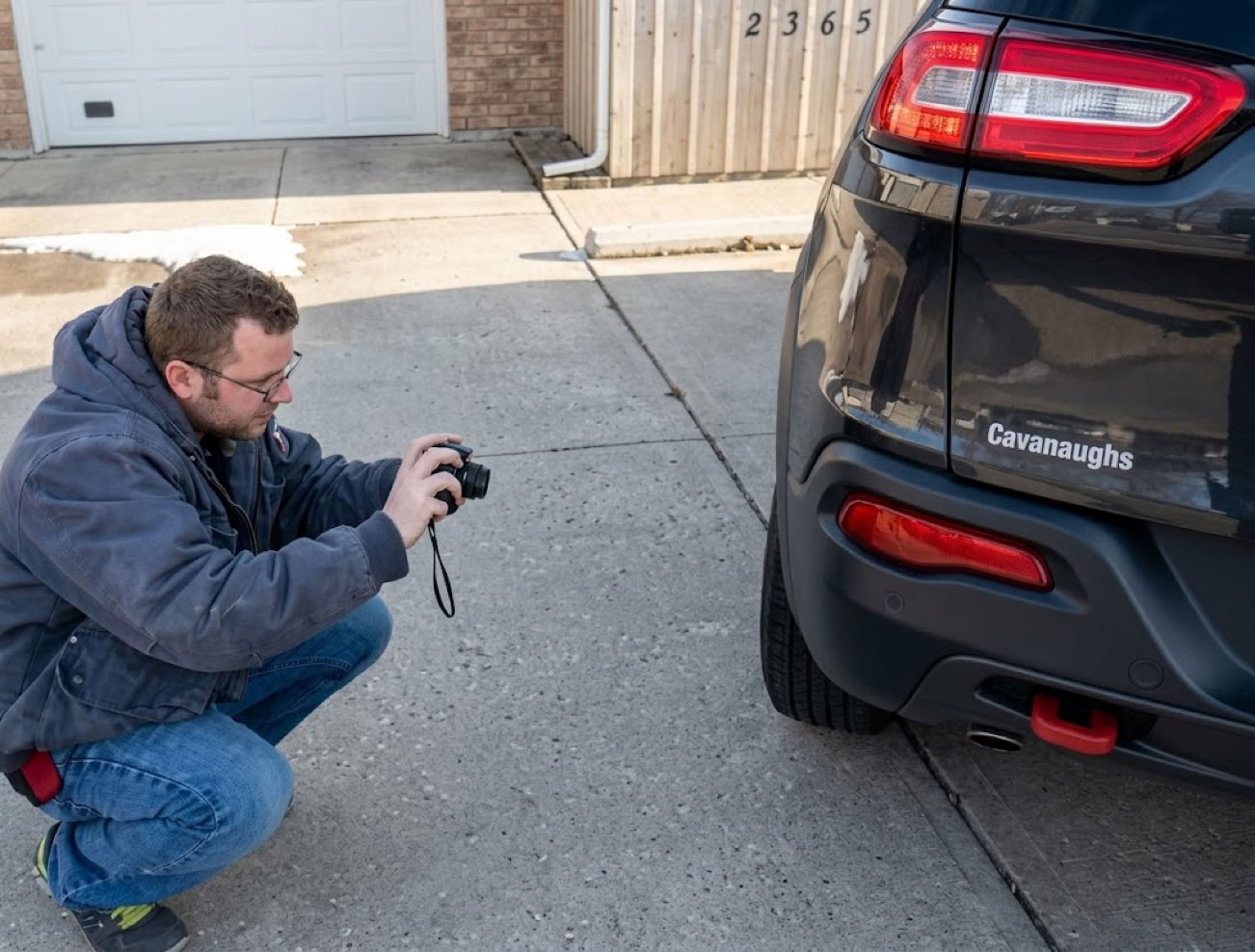
If the vehicle is not drivable and has been towed to a body shop lot, that body shop will usually prepare an estimate and repair the vehicle unless the vehicle's owner has other plans.
In these instances, the insurance company generally requires only one estimate.
Some insurance companies write their own estimates. The vehicle owner is not required to comparison shop for the insurance company.
Instead, the owner takes the vehicle to a claim center, which is operated by the insurance company. At the claim center, an insurance adjuster examines the vehicle and writes up an estimate.
Once the vehicle's owner is given a check to pay for repairs, the vehicle can be taken to any body shop for repair.
Some insurance companies maintain a list of preferred body shops and will guarantee repairs made by a preferred shop.
If the customer chooses a shop that is not on the list, the insurance company will not guarantee the repairs. However, the non-preferred shop will usually provide some type of warranty.
If an insurance company has a direct repair agreement with a body shop, the person with a claim can take the damaged vehicle directly to that shop.
The body shop will make the repairs and send the bill directly to the insurance company. This streamlined method saves the customer and the insurance company time, and the body shop may see a steady stream of work.
The insurance company will periodically check up on the body shop to make sure it is not abusing the direct repair agreement.
With the insurance companies paying most of the bills, it is easy to forget that the vehicle's owner, not the insurance company, is the body shop's customer.
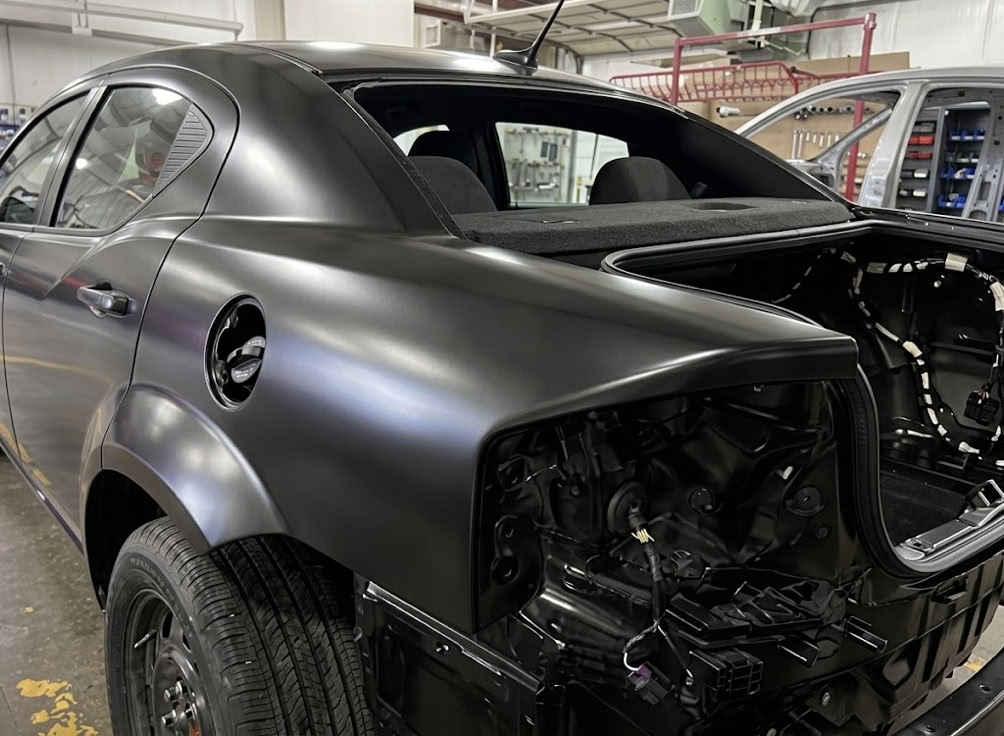
The body shop's only goal is to return the vehicle to pre-accident condition. The vehicle must look and drive the same as it did before the damage occurred.
It must also be as safe as it was originally designed to be. Durability must not be compromised. To be successful, the body shop must make the repair process as quick and painless as possible for the customer.
To do this, the shop must be well organized, with a trained and dedicated staff.
After the damaged vehicle has been examined and the estimate, which serves as a blueprint for the repair, has been completed, the actual repair process can begin.
Ordering Parts
Most vehicle repairs require replacement parts. If possible, these parts should be ordered before the vehicle is brought to the shop for repair.
It can take several days to obtain parts. If the parts are on hand when the vehicle arrives at the shop, the repairs can proceed without delay.
If the vehicle is torn down and the technician has to wait for replacement parts, the vehicle will be in the shop longer.
To avoid the delay of repairs, which is an inconvenience to the customer, many shops blueprint the repair.
In blueprinting, a damaged vehicle is disassembled and measured to discover all the damage so all required parts can be ordered and available when the repairs begin.
There are four types of replacement parts: original equipment manufacturer parts, aftermarket parts, used parts, and remanufactured parts.
Original equipment manufacturer parts, or OEM parts, are made by the vehicle manufacturer or by the same company that supplied the part to the factory when the vehicle was built.
Most parts on vehicles that are less than ten years old can be obtained from the appropriate new car dealership.
Some dealerships keep popular collision repair parts in inventory for immediate delivery.
Less common or specialized parts must be ordered. Some dealerships do not stock collision repair parts. Nevertheless, most parts can be obtained within a week.
Aftermarket parts are made by a company other than the one that supplied the parts when the vehicle was manufactured.
Aftermarket parts usually cost less than OEM parts. These parts may be in stock, or they may have to be ordered.
Aftermarket parts may also be obtained by mail order or over the Internet.
Automotive paint wholesale/retail stores, which sell collision repair equipment and refinish materials, may also sell aftermarket parts.
Aftermarket parts should be checked for proper fit before they are painted.
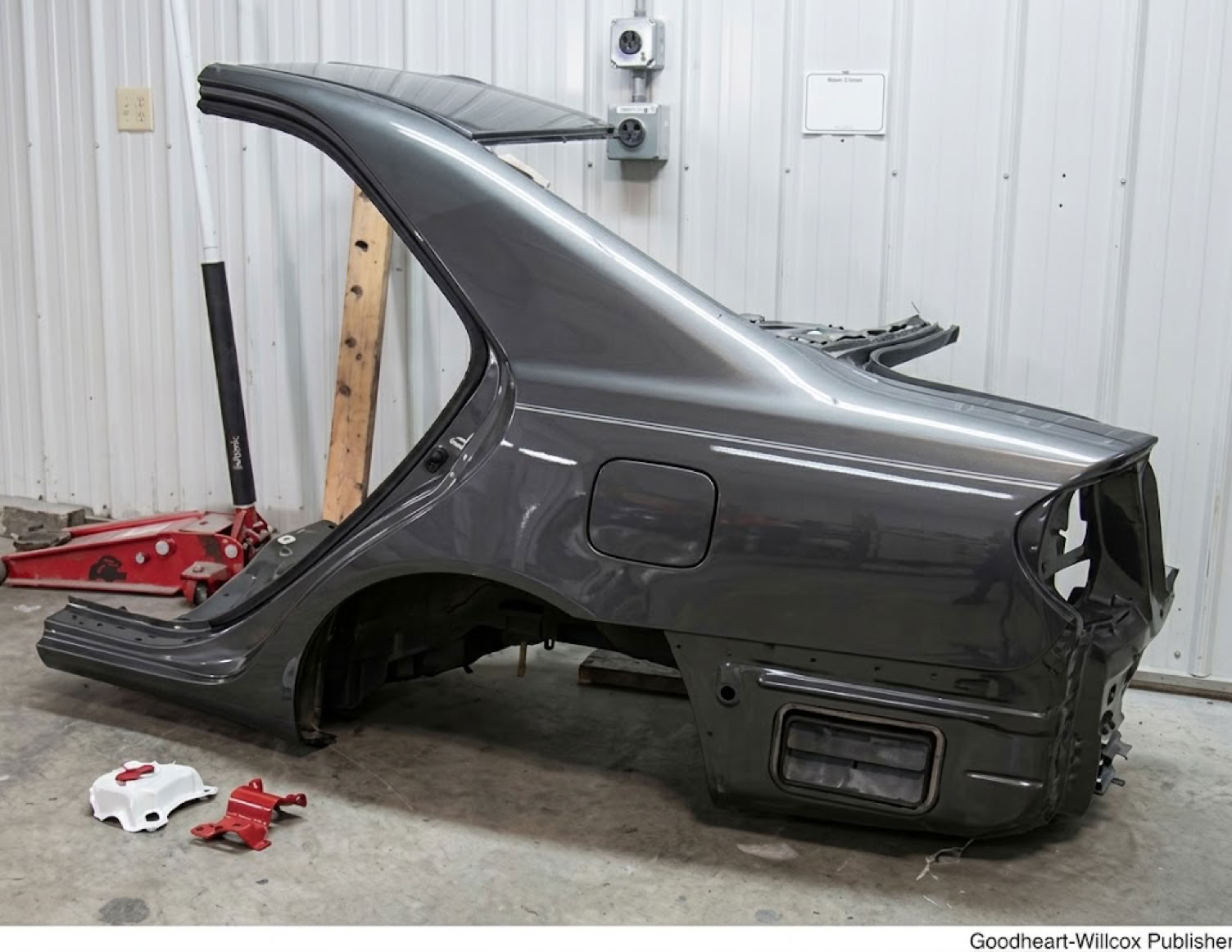
Used parts are taken off total loss vehicles in a salvage yard. Used parts are normally sold as assemblies.
An assembly is a major part with the related components attached to it. For example, a used fender will generally include the moldings and fender liner. When buying OEM or aftermarket parts, these items would have to be obtained separately and at an additional cost.
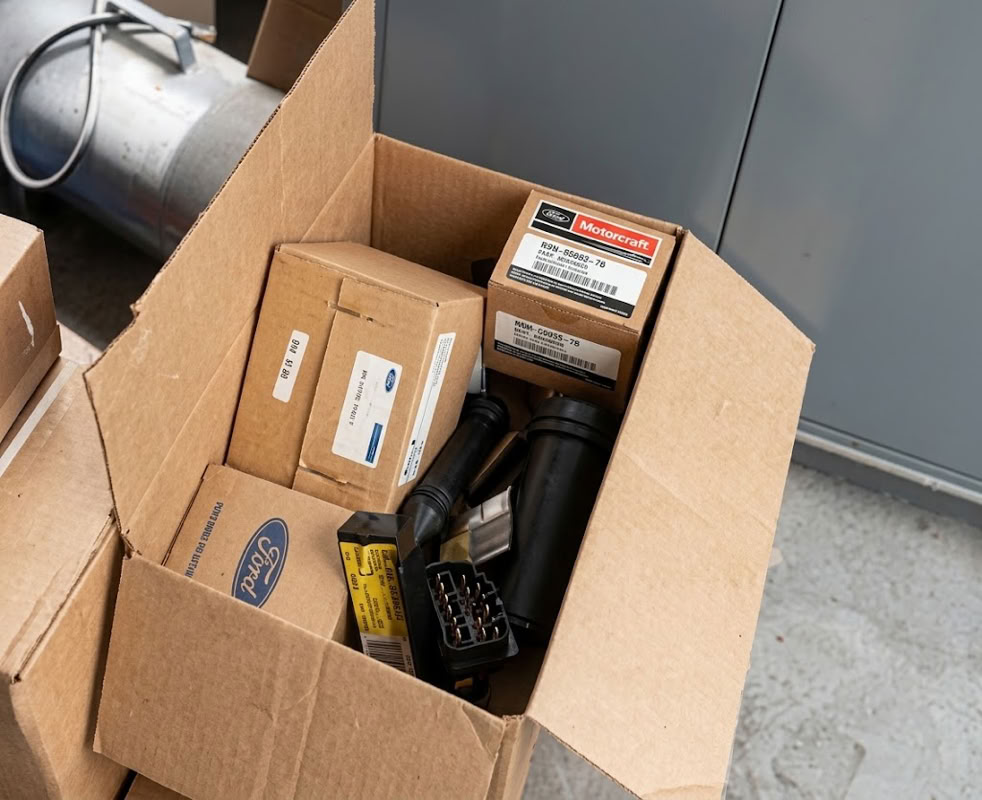
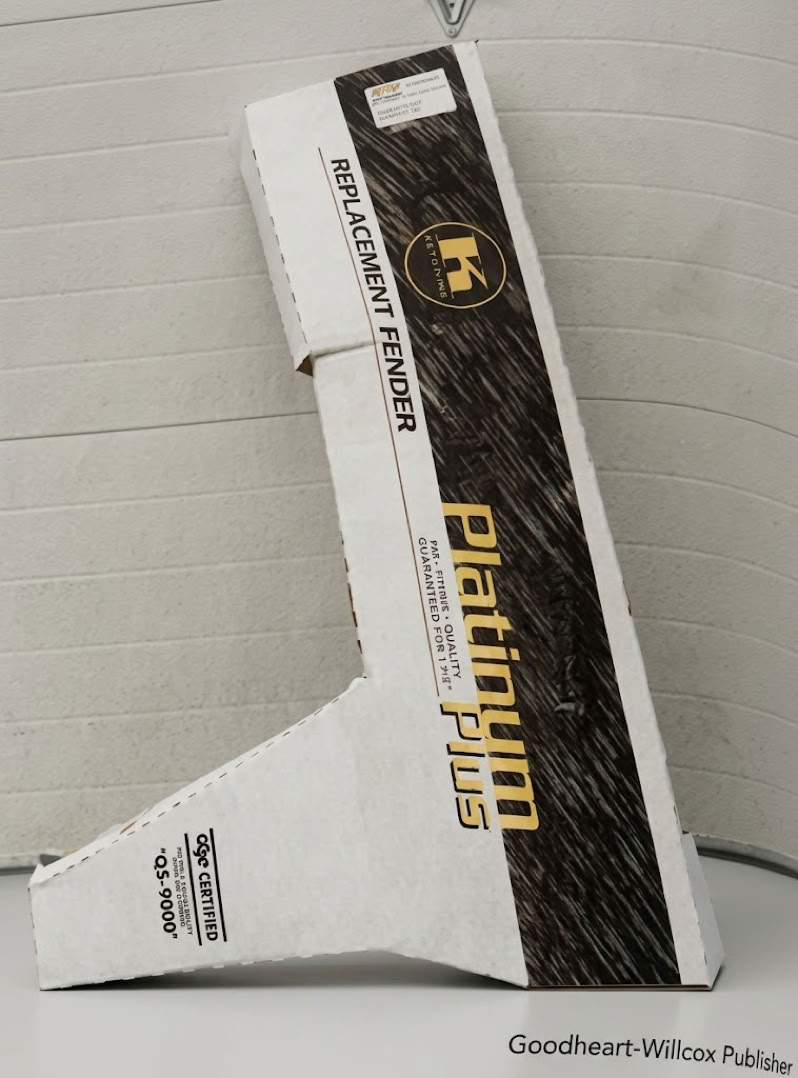
Used parts may have damage or they may have been previously repaired. Some salvage yards will make a nationwide search for used parts.
Used parts for late-model vehicles—those that are only one or two years old—may be in short supply.
A remanufactured part is a used part that has been restored to like-new condition. The remanufactured part will generally have a warranty.
Examples of remanufactured parts are alloy wheels, chrome bumpers, bumper covers, and mechanical parts, such as alternators and starters.