Blood Collection Equipment, Additives, and order of Draw
Equipment for routine venipuncture includes materials needed for the safe and efficient location of a vein and collection of a blood sample, plus equipment to ensure the safety and comfort of both the patient and the user.
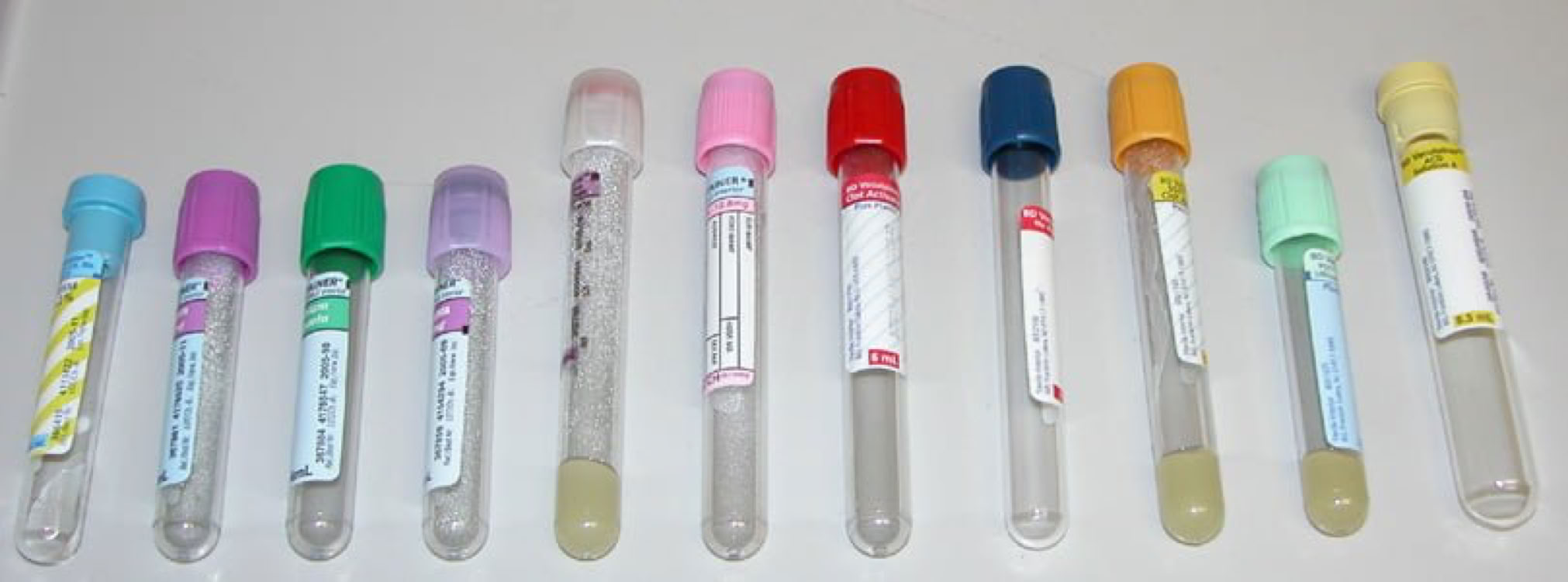
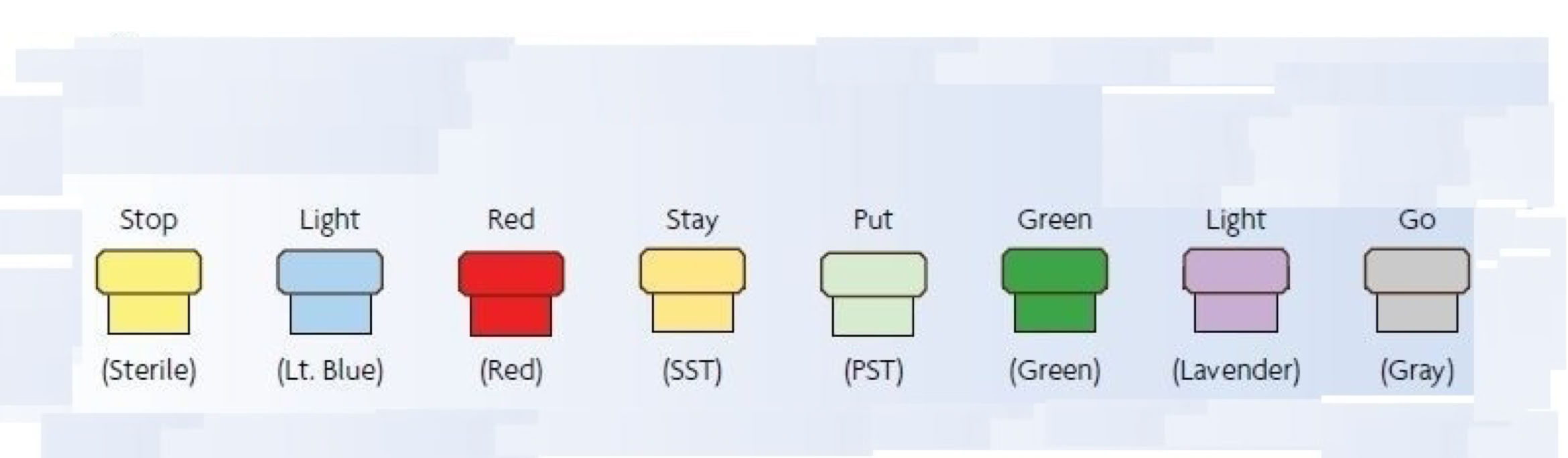
Most venipuncture procedures are performed with a double-ended multisample needle that delivers blood into an evacuated tube with a color-coded stopper. The stopper indicates the additives used in the tube.
Learning what each color signifies, and in what order different-colored tubes should be drawn, is essential for a phlebotomist.
As a phlebotomist, your primary duty is to collect blood and prepare it for delivery to the lab. Your collection equipment includes the needles and tubes that allow you to collect a patient's blood, plus materials to ensure that a vein can be located, the puncture site is clean, and the sample is labeled and transported correctly.
ORGANIZING AND TRANSPORTING EQUIPMENT:
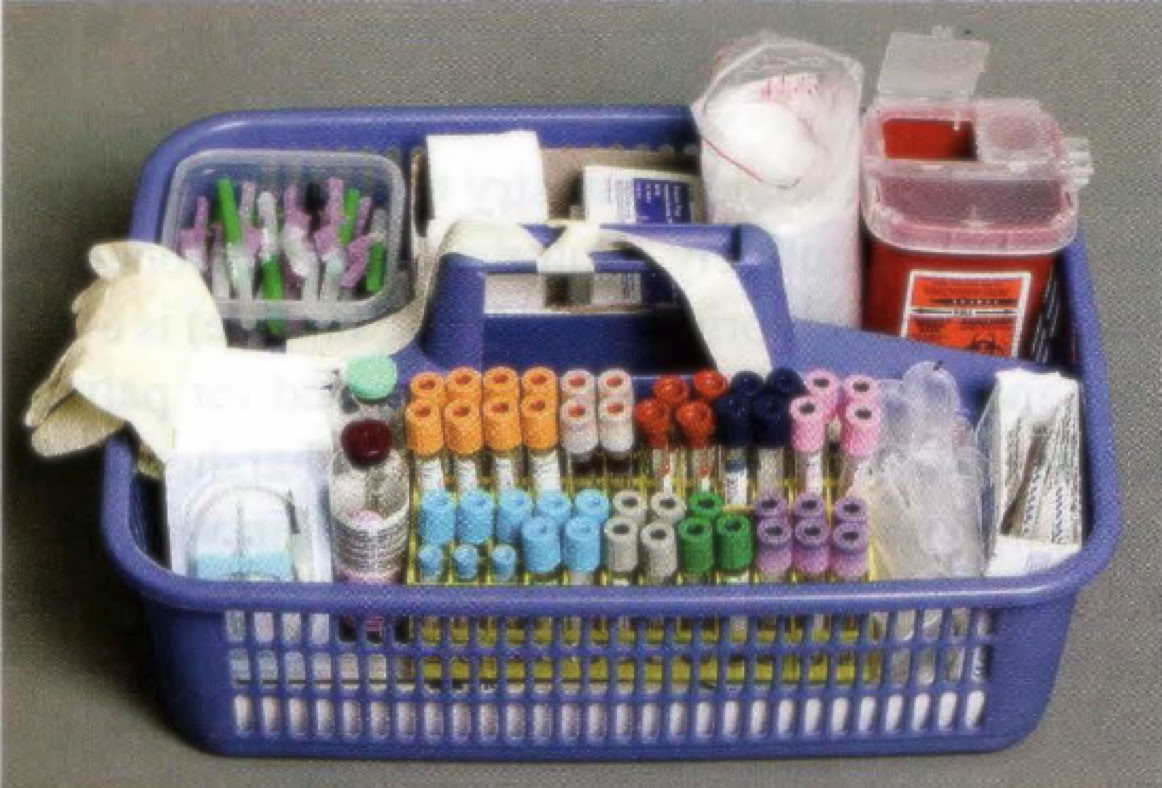
Phlebotomists use a portable tray to carry all necessary equipment. You are responsible for making sure that your tray is clean, and organized at all times.
You will encounter patients in two primary settings:
inpatient and outpatient
Inpatients
Inpatients have been admitted to a hospital, and you usually draw their
blood at the bedside. A cart is sometimes used to transport large quantities of supplies when you are scheduled to collect samples from many patients,
but the cart should remain in the hospital corridor to reduce the risk of spreading infection from one patient to another.
Bring only the tray into the room. Once in the patient's room, do not place your tray on the patient's bed, where it could easily be overturned,
or on the patient's bedside table used for eating. Instead, place the tray on a flat, solid surface such as a nightstand. Always keep extra supplies within reach, however. You may need them during a draw; for instance, you may need to replace a tube while the needle is still in the patient's arm (which
can happen if you get a defective tube).
Outpaitients
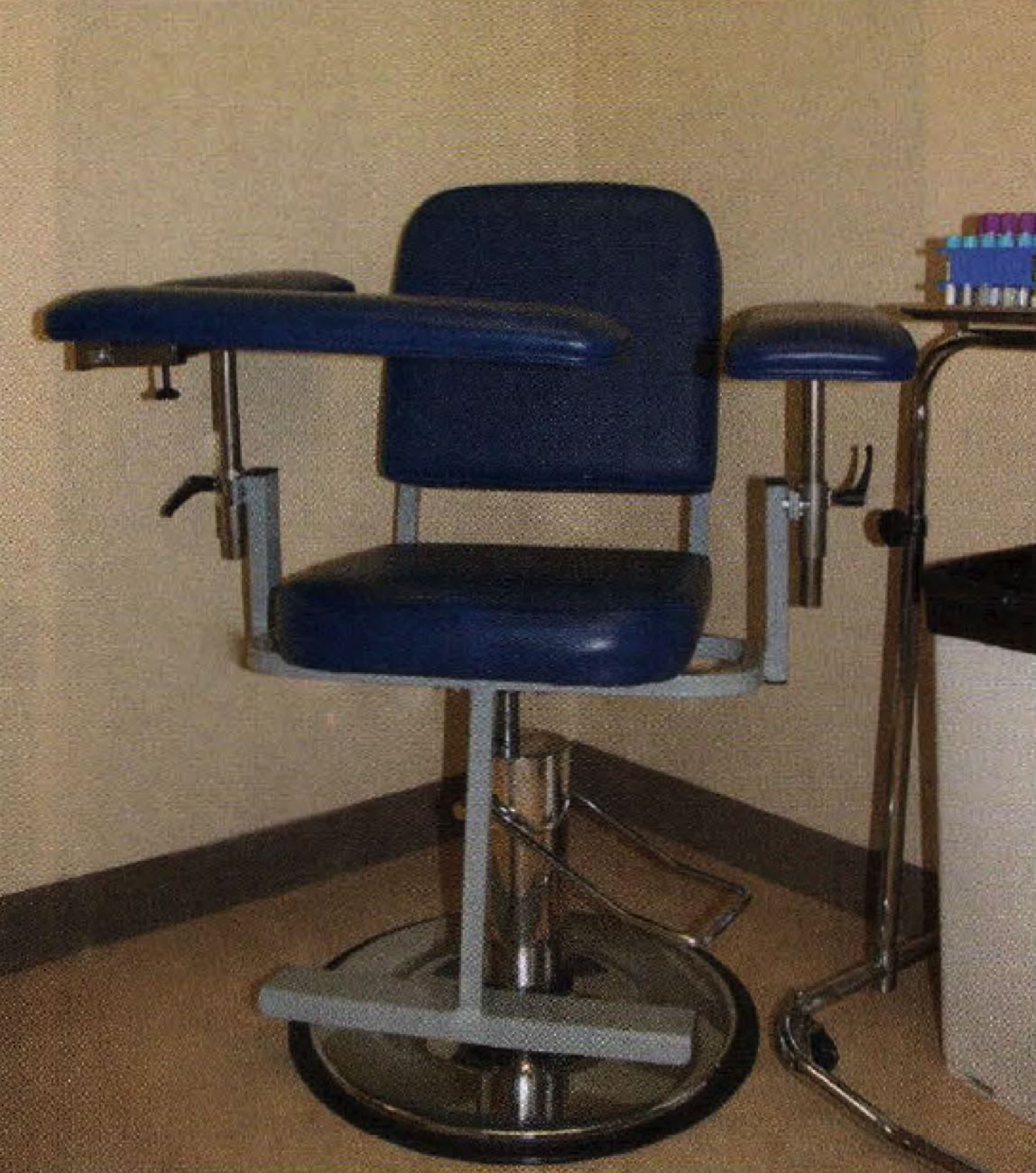
Outpatients usually come to you at a phlebotomy drawing station in a clinic or hospital. The drawing station includes a special phlebotomy chair
with an adjustable armrest. The armrest locks to prevent the patient from falling out in the event of fainting. A bed may also be available for patients with a history of fainting . Supplies may be available at the drawing station, or you may need to bring your tray to it.
General Blood Collection Equipment and Supplies:
Blood-Drawing Station
Table for supplies
Bed or Reclining chair
Phlebotomy Tray
Venipuncture Equipment
To draw blood, you first need to locate a vein. Applying a tourniquet is the most common way to do this.
Tourniquet:
Device applied or tied around patients arm to restrict blood flow
Should restrict venous flow to inflate veins, but not arterial flow
-Must common type: Stretchable disposable vynil straps
Vein-Locating Devices:
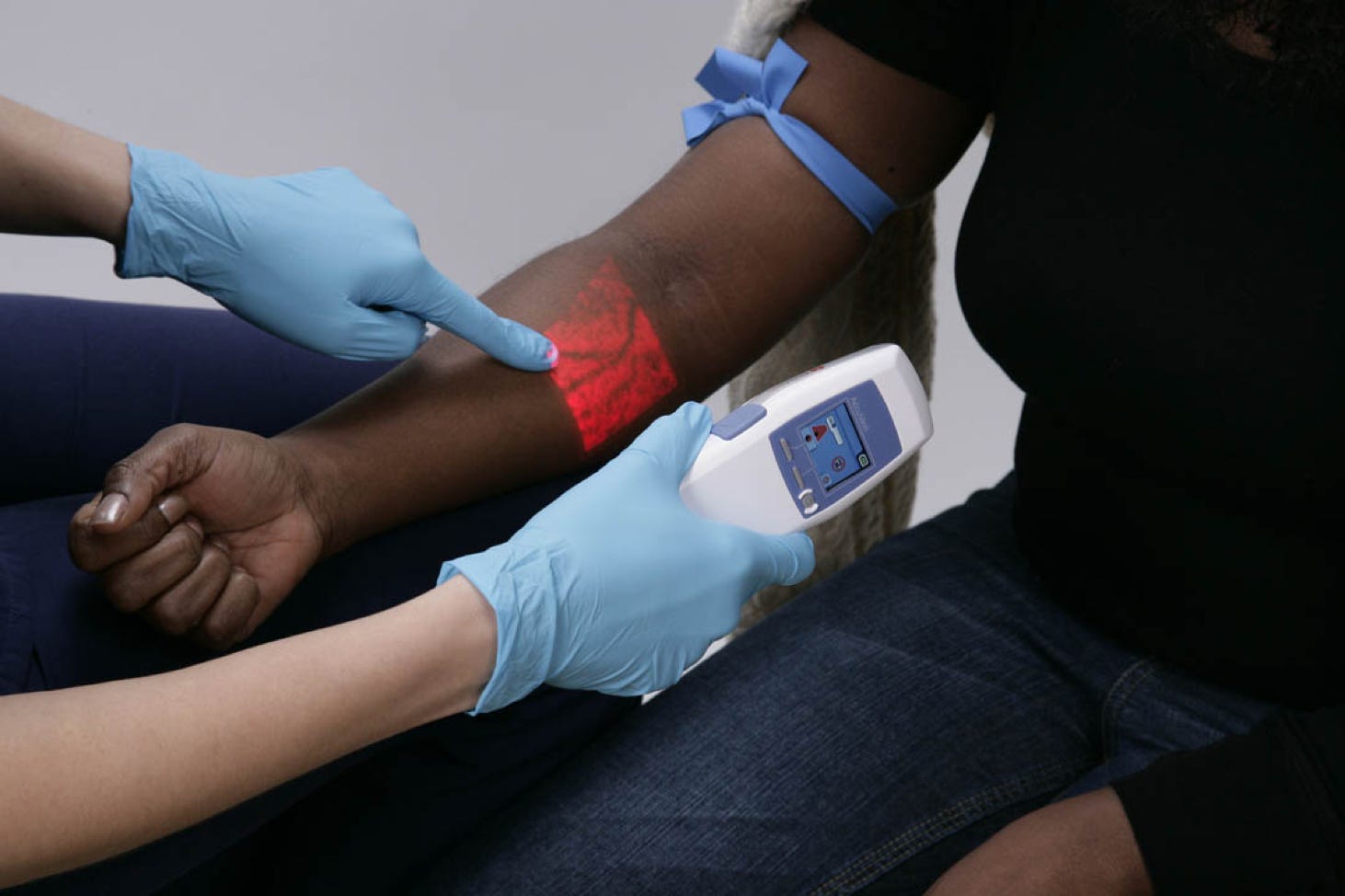
Devices are available that shine a bright light through the patient's skin. When such a device is positioned properly, veins are visible as dark lines within the tissue.
This works especially well for finding veins on pediatric patients. Transillumination shines high-intensity LED or infrared light and highlights veins in patients subcutaneous tissue
Cleaning the Puncture Site:
Antiseptics and disinfectants are used to reduce the risk of infection.
Antiseptic refers to an agent used to clean living tissue.
Disinfectant refers to an agent used to clean a surface other than living tissue.
-Antiseptics:
An antiseptic prevents sepsis, or infection. Antiseptics are used to clean the patient's skin before routine venipuncture collection to prevent contamination by normal skin bacteria. The most commonly used anti septic is 70% isopropyl alcohol (rubbing alcohol).
For maximal effectiveness, the antiseptic should be left in contact with
the skin for 30 to 60 seconds. Prepackaged alcohol "prep pads" are the most commonly used product.
Other antiseptics are often used like Povidone-iodine solution (Betadine). However, iodine allergy is a great risk, therefore allergic precautions must always be taken.
Chlorhexidine gluconate is used for patients sensitive to iodine. Because these are harsher chemicals, they should be washed off the skin after collection. Chlorhexidine gluconate should not be used on infants younger than 2 months.
Disinfectants:
Remove or kill microorganisms on surface & instruments
Not safe on human skin
Hand sanitizers:
Alcohol - based rinses, gels & foams
Can replace hand washing if hands are not visibly soiled
Must wash hands after third use of if hands are visibly soiled
Needles:
Sterile, Disposable, Designed
For single use only
FEATURES OF NEEDLES
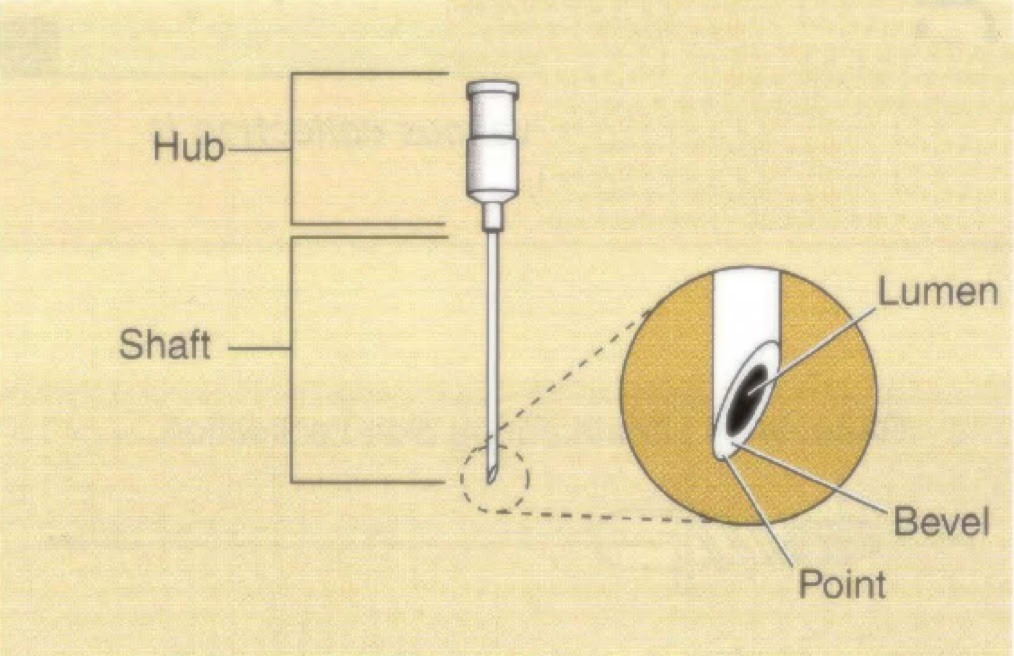
All needles have several features you should be familiar with.
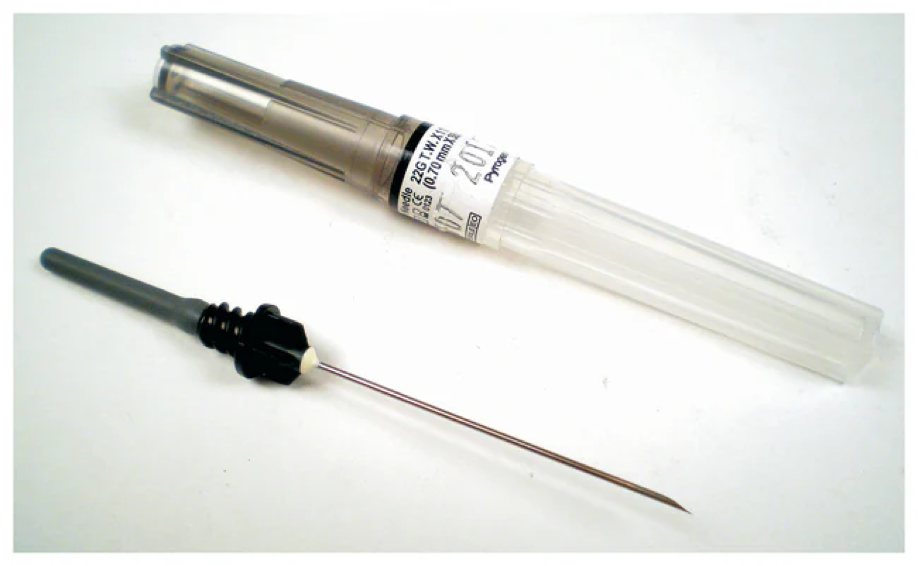
Point
A sharp needle provides smooth entry into the skin with a minimum of pain.
Bevel
The bevel, or angle, eases the shaft into the skin and prevents the needle from coring out a plug of tissue.
Shaft
Shafts differ in both length and gauge. The needles used for routine venipuncture range from 1in & 1.5in length and are the most common for venipuncture
Gauge
The gauge describes the diameter of the needle's lumen, the hollow tube within the shaft. The smaller the gauge number, the larger the lumen diameter; the larger the number, the smaller the lumen. Needle
packs are color coded by gauge for easy identification.
Different factors that influence the choice of length include location, depth of the vein, and the experience and preference of the phlebotomist.
MULTISAMPLE NEEDLES
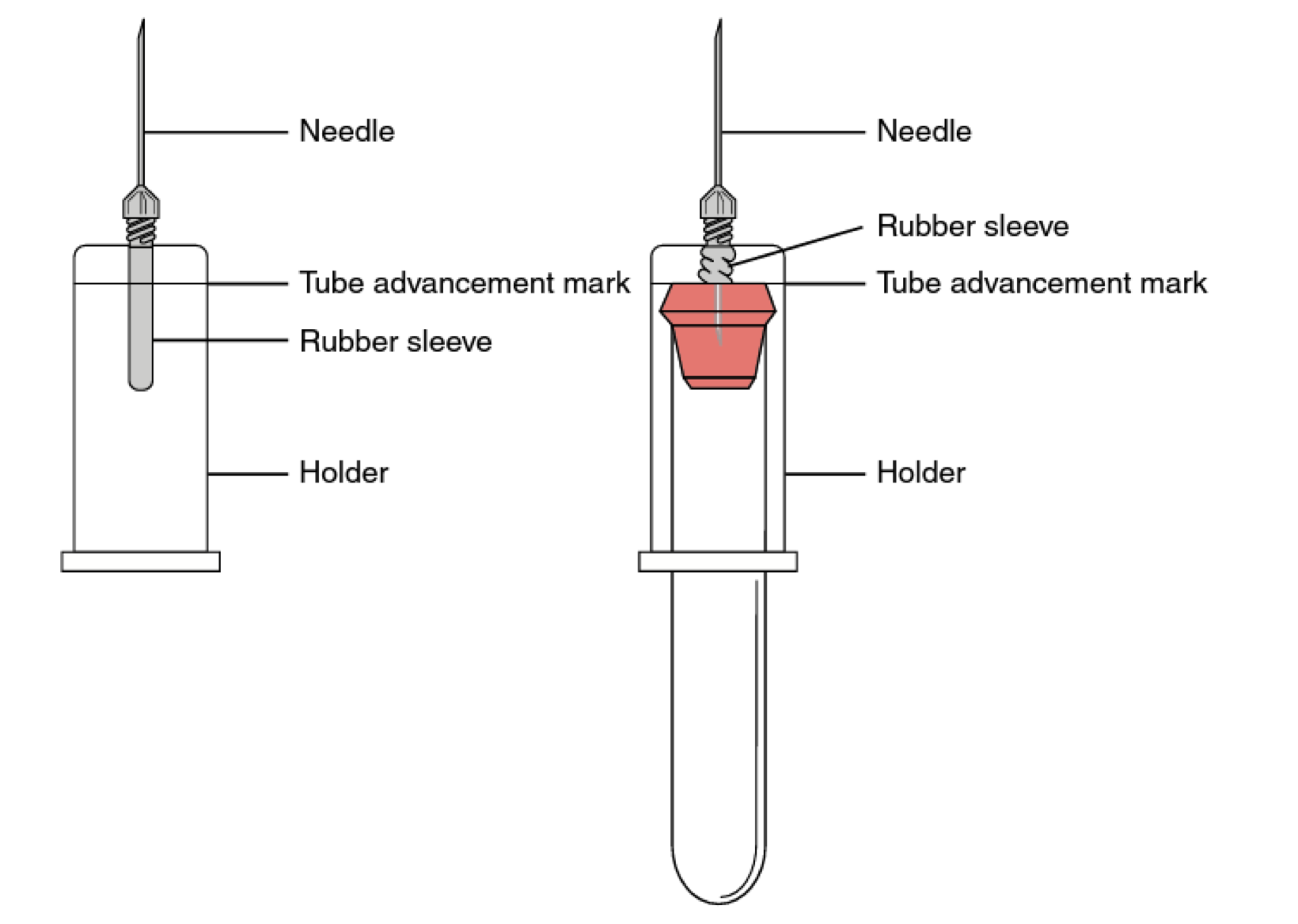
For most collections, you use a double-ended needle. While one tip of the needle penetrates the patient's skin, the second tip pierces the rubber cap of an evacuated collection tube.
The most common double-ended needle is the multisample needle which has a retractable rubber sleeve that covers the second tip when it is not inserted into a tube.
A multisample needle remains in place in the patient's vein while one tube is replaced with another. The sleeve keeps blood from leaking onto or into the adapter or tube holder while you are changing tubes.
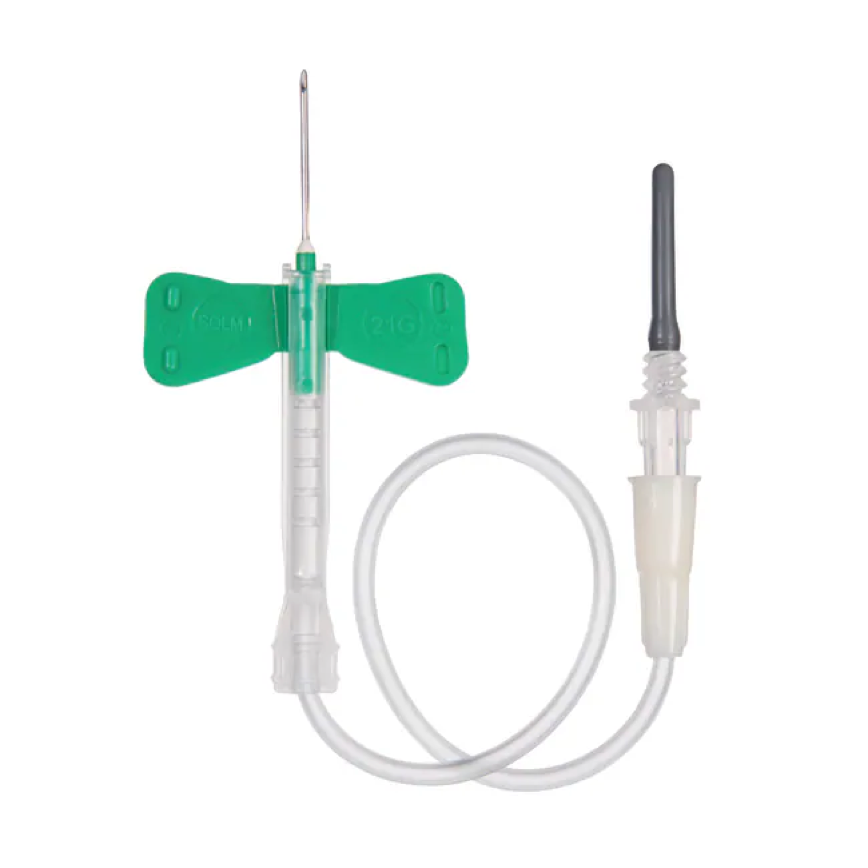
Winged Infusion Set (butterfly):
Effective for small or difficult veins (elderly & pediatric)
-Allows more flexibility & precision than a needle & syringe
Consists of:
1/2 inch to one inch stainless steel needle ,23 or 25 gauge with 5in length of tubing
Plastic extensions (wings) allow easier manipulation for shallow angle of needle insertion
Safety devices required to prevent accidental needle sticks
Gauze pads/cotton Balls:
Clean 2 x 2 inch gauze pass folded in fourths are used to hold pressure over site following blood collection.
Avoid using cotton balls, as they tend to stick
Bandages:
Used over blood collection site once bleeding has stopped
Can also use paper, cloth, or knitted tape over folded gauze
standards advise against the use of adhesive bandages on infants and children under 2yrs of age.
Evacuated tube System (ETS):
Closed system in which blood flows through a needle inserted into a vein & then directly into a collection tube.
Prevents exposure to air or outside contaminants.
Allows numerous tubes to be collected with a single venipuncture.
Components
Multisample needle
Tube Holder
Evacuated tubes
Vacuum:
Negative pressure artificially created by pulling air from tube
Designated to draw an exact volume of blood into tube
TUBE ADDITIVES
Except for the glass red-topped tube, which has no additives, all tubes contain one or more additives. Additives include anticoagulants to prevent clotting, or clot activators to promote it.
Any tube containing an additive must be inverted and mixed well. Turning the tube over, and then back upright again, equals one inversion.
The exact number of inversions needed varies with tube type; most need five to eight inversions.
Stoppers:
rubber or rubber with plastic covering
Blood Collection Additives:
-Anticoagulants
Substances that prevent blood from clotting
Types:
Ethylenediaminetetraacetic Acid (EDTA)
Citrates
Heparin
Oxalates
Clot Activators:
Substances that provide more surface for platelet activation
Types:
Glass (silica) Particles
Inert Clays (Celite)
Clotting Factors (thrombin)
Color coding:
color of stopper usually indicates type of additive
ORDER OF DRAW
Patients often need to have more than one test performed and therefore more than one tube filled. Because the same multisample needle is used to fill all the tubes, material from an earlier tube could be transfered into a later tube if it contacts the needle.
Good technique can reduce this risk somewhat; however, it cannot eliminate it entirely. For this reason, the CLSI has developed a set of standards dictating the proper order of draw for a multi tube draw.
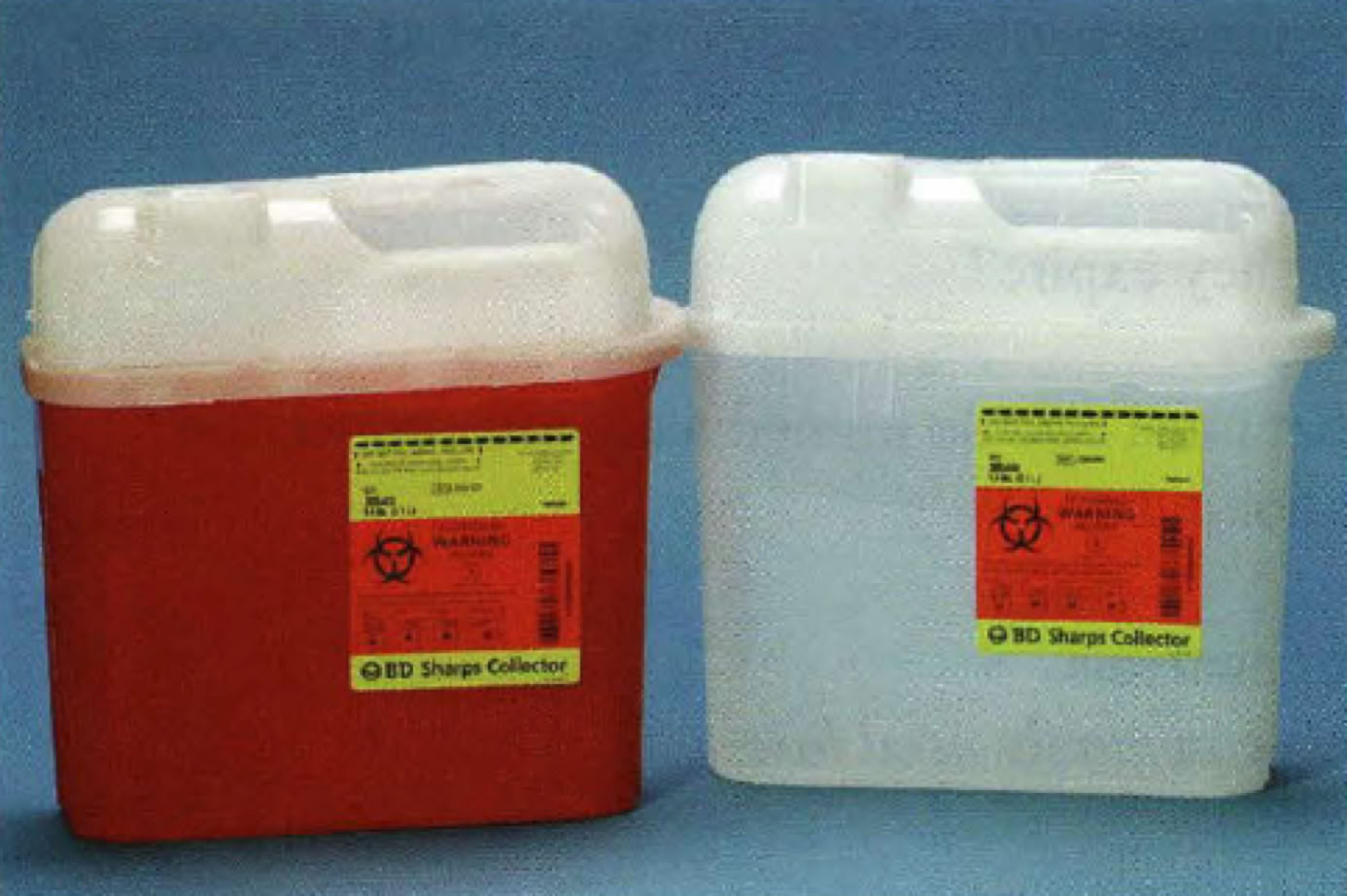
Needle and sharps containers:
a hard plastic container that is used to safely dispose of hypodermic needles and other sharp medical instruments, such as an IV catheters and disposable scalpels. Sharps containers may be single use which are disposed of with the waste inside.
EQUIPMENT:
Phlebotomy equipment is designed and manufactured to be free of defects and minimize variability. Nonetheless, errors do occur, and it is up to the phleotomist to identify and eliminate them before they interfere with patient care.
Quality Control procedures include the following:
• Tubes should be checked for expiration date. Never use an expired tube.
• Stoppers should be checked for cracks or improper seating. Reject any tube with a defective stopper.
• Tubes may loose vacuum without any visible sign of defect. When filling a tube, be aware of incomplete filling because of loss of vacuum.
• Needles should always be inspected for defects,
including blunted points. Never use a defective needle or one from a package with a broken seal.