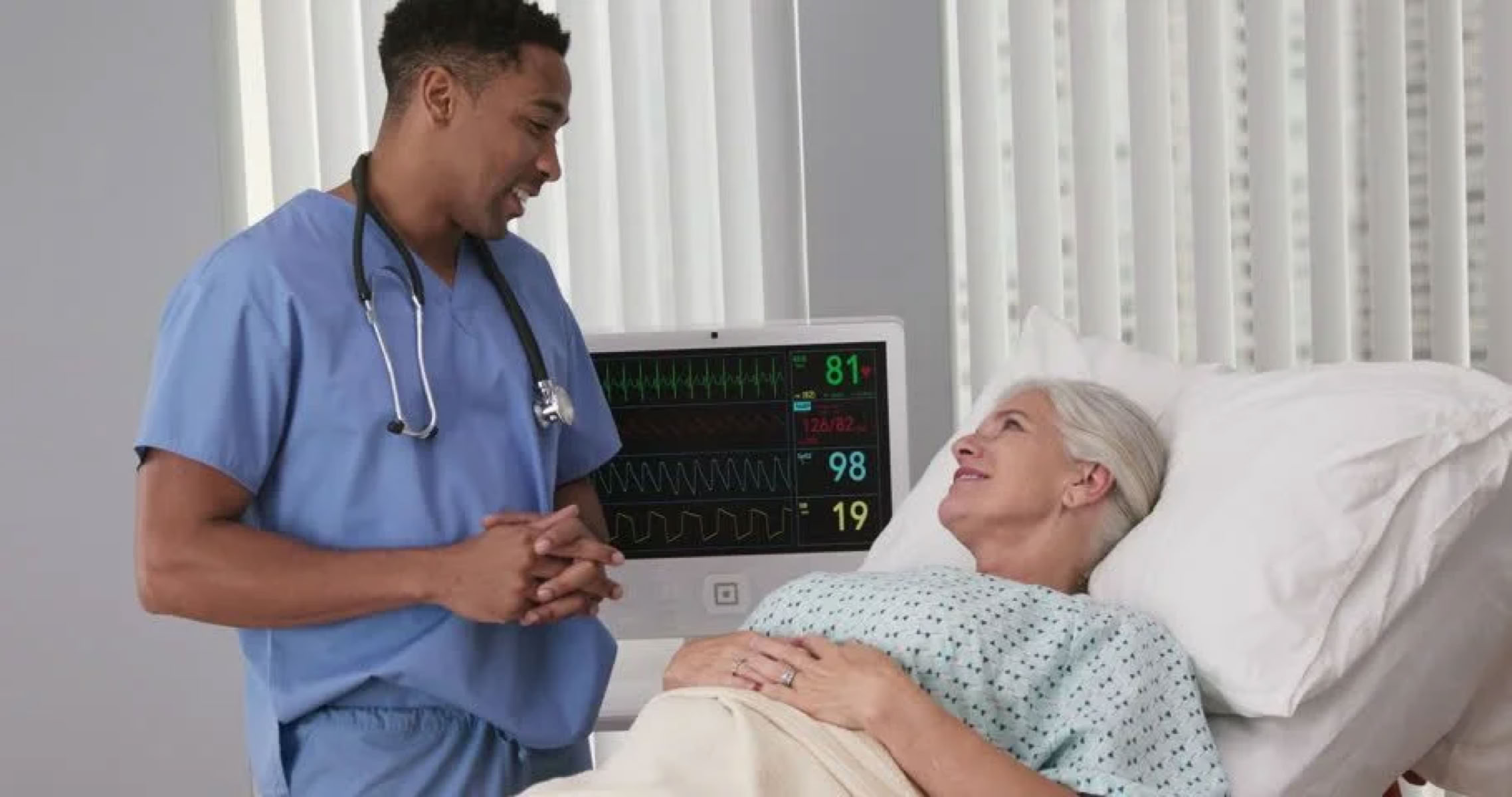
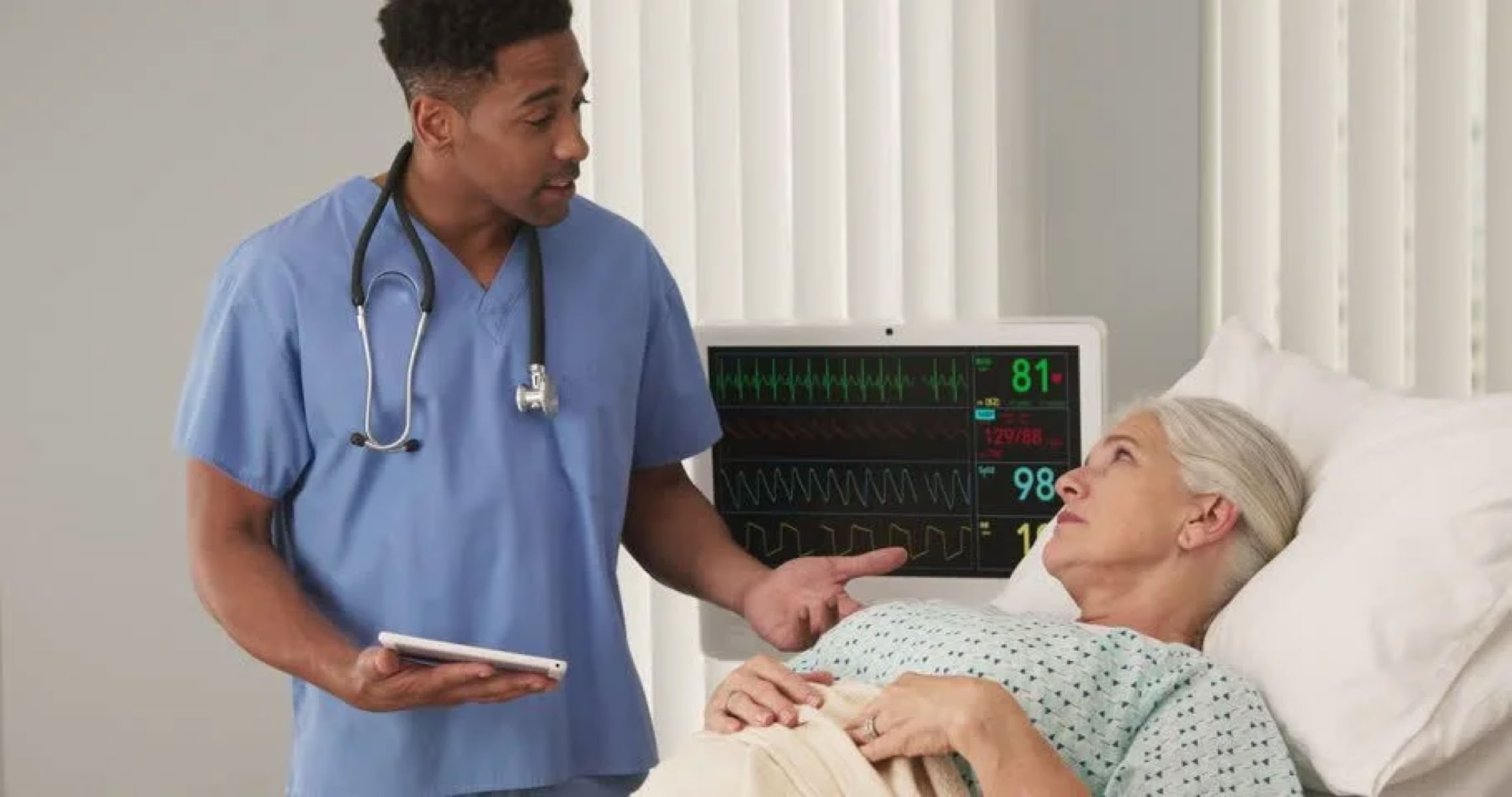
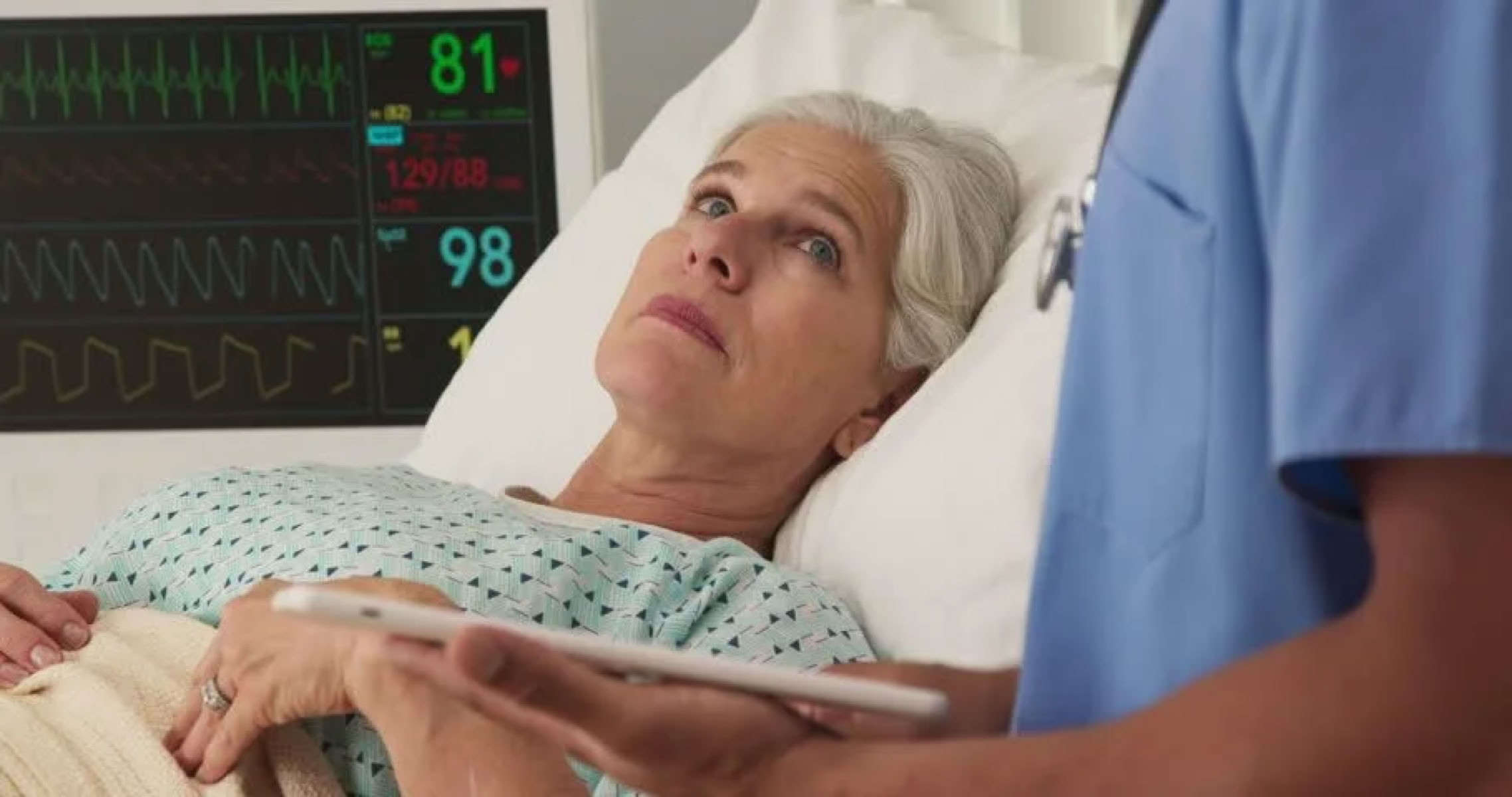
As an EKG technician, you will be a key communicator between the office and patients.
You will be required to explain procedures, ask, and answer questions, and meeting patient needs will be part of the EKG technician task.
Developing strong communication skills in the medical office just as important as mastering administrative and clinical task. Remember, customer service is the most important part of communication to families and patients.
Prior to performing any test, inform the patient about the procedure to build trust an alleviate anxiety. The patient must understand the procedure to provide consent.
To facilitate communication, maintain a nonjudgmental attitude and demonstrate good listening skills.
Communication Factors:
Sender
the person who wants to communicate information
Message
the information the person needs to send
Receiver
person to whom the message is sent
Confirmation
the way the receiver lets the sender know that the message has been received.
Types of communication
Verbal
spoken or written words
Non-verbal
facial expressions, posture, hand/body movements, and appearance
Written
Communication relayed in writing , examples are the patients care plan or patients electronic medical record
To have a good communication is important to:
Maintain eye contact whenever is possible.
Face the patient.
Repeat or clarify what the patient says.
Patients who have cognitive disabilities can require extra time to ensure
that they understand the procedure. Additionally, people who have sensory impairments (vision impairment, hearing loss, dysphasia) can require additional audiovisual media, such as written materials, pictures, or audio files.
If the patient and the technician do not speak the same language, communicate through a trained interpreter. All patients legally must have access to trained interpreter who speaks their native language. Avoid using family members as interpreters; they may not communicate information accurately.
Describe the purpose, length, and steps of the procedure as well as any preparation for which the patient is responsible, explain the patient’s role during the test, and information needed to follow up after the procedure are task of the EKG technician. Answer any question the patient has, clarify any misinformation, and help the patient with his fears.
THERAPEUTIC COMMUNICATION
Therapeutic Communication: the face-to-face process of interacting that focuses on advancing the physical and emotional well-being of a resident.
Therapeutic communication is the basis of interactive relationships and affords the EKG Technician the opportunity to establish rapport, understand the Patient’s experiences, formulate individualized interventions and optimize the care they provide to the Patient.
Active Listening– Being attentive to what the Patient is saying, verbally and non- verbally. Sit facing the Patient, open posture, lean toward the Patient, make eye contact, and relax.
Providing Information– Relevant information is important to make decisions, experience less anxiety, and feel safe and secure.
Clarifying– To check whether understanding is accurate, or to better understand, the EKG Technician restates an unclear or ambiguous message to clarify the meaning. “I’m not sure I understand what you mean by ‘sicker than usual’, what is different now?”
Summarizing– Pulls together information for documentation. Gives the Patient a sense you understand. It is a concise review of key aspects of your interaction.
UNDERSTANDING HUMAN BEHAVIOR
Understanding human behavior is important when you are communicating with patients. EKG technician is exposed to many different personality types in addition to different illnesses.
When you understand why a person is behaving in a certain way, you can adjust your communication style to adapt to that person.
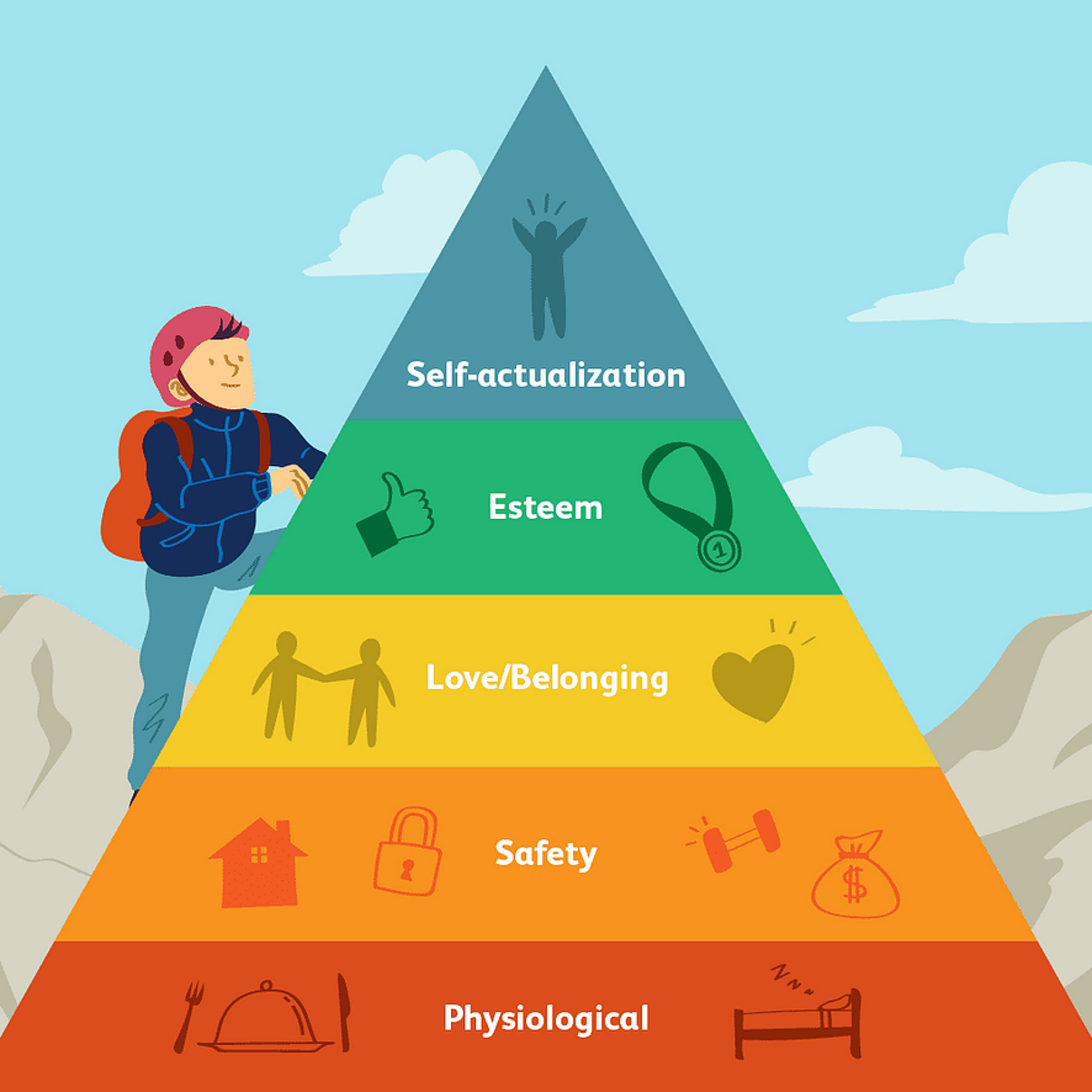
Abraham Maslow, a psychologist, studied the basic human needs that motivate people.
He identified 5 basic human needs and arranged them in a pyramid to show their order from the most basic to the highest level needs.
Maslow’s theory is that people strive to meet their unmet needs, but the most basic needs must be met before the person is free to meet the needs at the next higher level.
A Human Being has six basic needs:
Food and water
Protection and shelter
Activity
Sleep and rest
Safety
Comfort, freedom from pain
Psychosocial Needs
Are needs having to do with social interaction, emotions, intellect, & spirituality
A human being has the following psychosocial needs:
Love and affection
Acceptance by others
Security
Self-reliance and independence in daily living
COMMUNICATION IN SPECIAL SITUATIONS
Anxious patient: It is common for patient to be anxious in a doctor’s office, this reaction is commonly known as the white-coat syndrome.
Angry patient: Anger may occur for many reasons. Anger may be a mask for fear about an illness or the outcome of surgery. As a EKG Technician, you will encounter angry patients and will need to help them express their anger constructively.
Patients of other cultures: our beliefs, values, use of language and views of the world are unique to us, but they are also shaped by our cultural background. In any health-care setting, you will most likely have contact with patients of diverse cultures and ethnic groups. Each culture and ethnic groups have their own acceptable behavior, traditions and values. Rather than viewing these differences as a barrier of communication, strive to understand and be tolerant of them.
Patient with visual impairment: when communicating with a Patient who has a visual impairment, be aware of what you say and how you say it. Since people with visual impairments cannot usually rely on nonverbal clues, your tone of voice, fluctuation of speech and volume take on greater importance.
Here are some suggestions for communicating with a patient who has a visual impairment:
Use large-print material whenever possible.
Make sure there is adequate lighting in all patient areas.
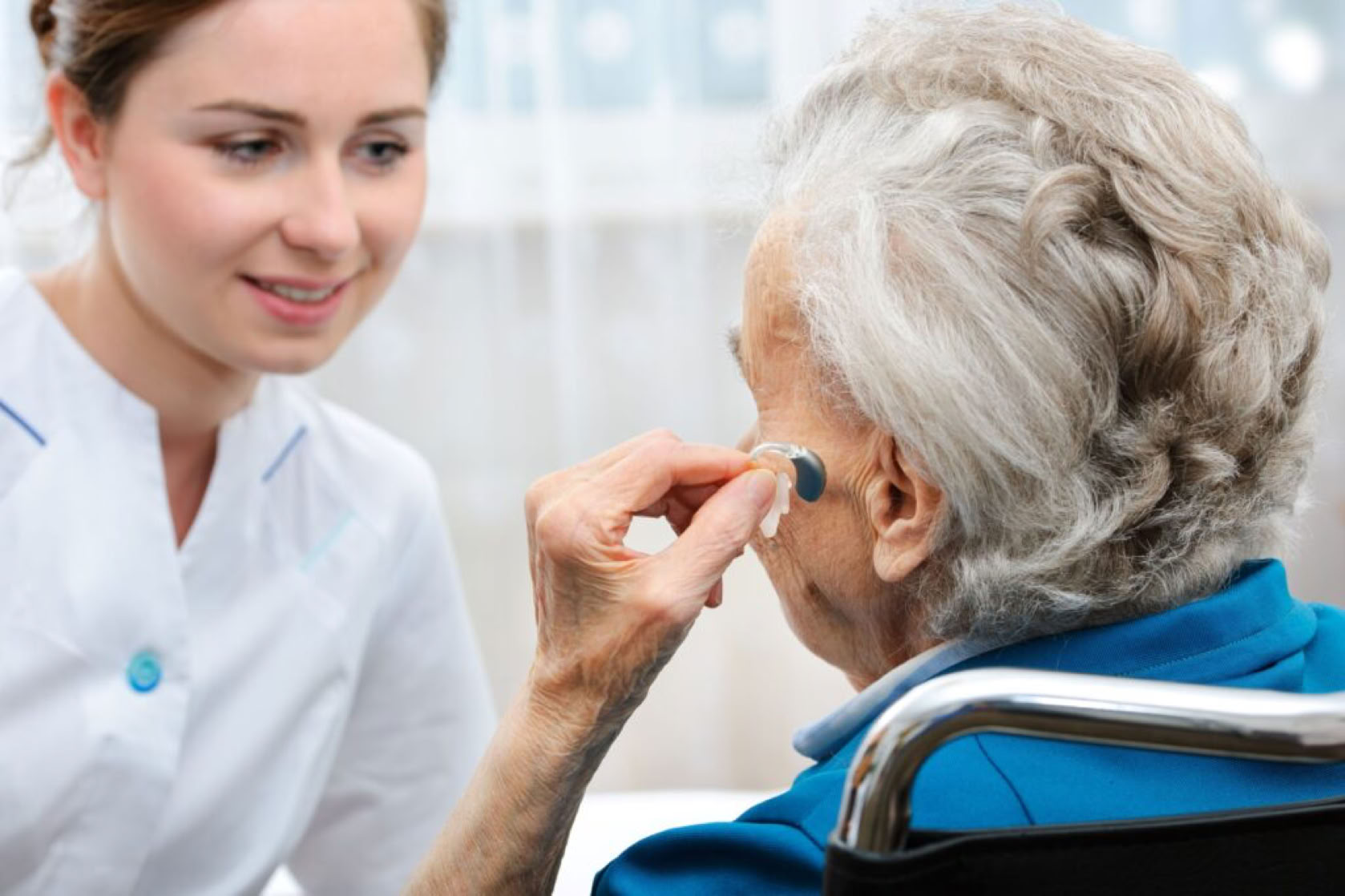
Patient with a hearing impairment: hearing loss can range from mild to severe. How you communicate depends on the degree of impairment and on whether the patient has effective use of a hearing aid. Following are some tips to help you communicate effectively with a hearing-impaired patient:
Find a quiet area to talk and try to minimize background noise.
Position yourself close to and facing the patient.
Speak slowly, so the patient can follow what are you are saying.
Remember that elderly patients lose the ability to hear high-pitched sounds first. Try speaking in lower tones.
Speak in a clear, firm voice, but do not shout, especially if the patient wears a hearing aid.
To verify understanding, ask questions that will encourage the patient to repeat what you said.
Whenever possible, use written materials to reinforce verbal information.
The patient who is mentally or emotional disturbed: when working with this type of patient, you need to determine his/her level of comprehension.
COMMUNICATING WITH FAMILY AND FRIENDS OF PATIENT
Remember that you are representing yourself and the facility to others.
Maintain an open, friendly and supportive relationship with Patients’ families and friends.
Protect Patient privacy and confidentiality as required under the HIPAA Privacy Rule.
When asked, tell family and friends something about the Patient’s activities such as
“He ate a good breakfast” or “She has been very talkative this morning.”
Escort visitors to the supervisor for problems, complaints or reports on a Patient’s condition.
Here are some tips to improve communication:
It is important to remain calm if the patients become agitated or confused.
Avoid raising your voice or appearing impatient.
If you do not understand, ask the patient to repeat what he said.
The elderly patient: EKG Technicians will spend approximately 50% of their time caring for older patients.
Do not stereotype all elderly patients as frail or confused, most are not, and each patient deserves to be treated according to her own individual abilities.
Always treat elderly patients with respect, regardless of their physical or mental state. Elderly patients are adults, do not talk down to them, use the title Mr. or Mrs. to address patients unless they ask you to call them by their first name.
Elderly patients may be confused if they have some impairment in memory, judgment, or other mental impairments. Confusion can occur with Alzheimer disease, depression, head injuries, misuse of medication or use of illicit drugs or alcohol.
The following tips can help you communicate with elderly people:
Respond calmly to any confusion on the patient’s part.
Use simple questions and terms, avoid using baby talk.
Explain points slowly and clearly.
Ask the patient to relax and speak slowly.
If you do not understand the patient, simply say that you cannot understand her well and ask her to repeat what she said.
Terminally patients: terminally ill patients are often under extreme stress and can be a challenge to treat.It is important that health-care professionals respect the right of terminal patients and treat them with dignity