This chapter presents the necessary information an EKG technician needs to educate and prepare patients on various procedures.
This chapter also presents techniques for acquiring a patient's history and reviews expected reference range vital signs across the lifespan.
Obtain patient vital signs
It is important to know the range of vital signs for all age groups. As a EKG Technician you must report vital signs that are outside the expected range to clinical staff. The table below summarizes normal vital signs for multiple age groups.
Vital signs can vary slightly with certain medical conditions and age groups. The adult heart rate may be greater than 100/min with anxiety or distress. It may be less than 60/min if the patient is taking certain medications.
Assess abnormal heart rates manually using the radial or apical pulse for a full minute, especially if the heart rate is irregular.
An adult's blood pressure may be greater than 120/80 mm Hg if the patient has essential hypertension.
An extremely high blood pressure is dangerous and can increase the risk of stroke or pulmonary edema.
Hypotension (systolic blood pressure less than 90 mm Hg) is also dangerous and can result in loss of consciousness, brain injury, and organ failure.
Continuously monitor the patient for symptoms of distress, including pallor, diaphoresis, headache, confusion, weakness, and nausea.
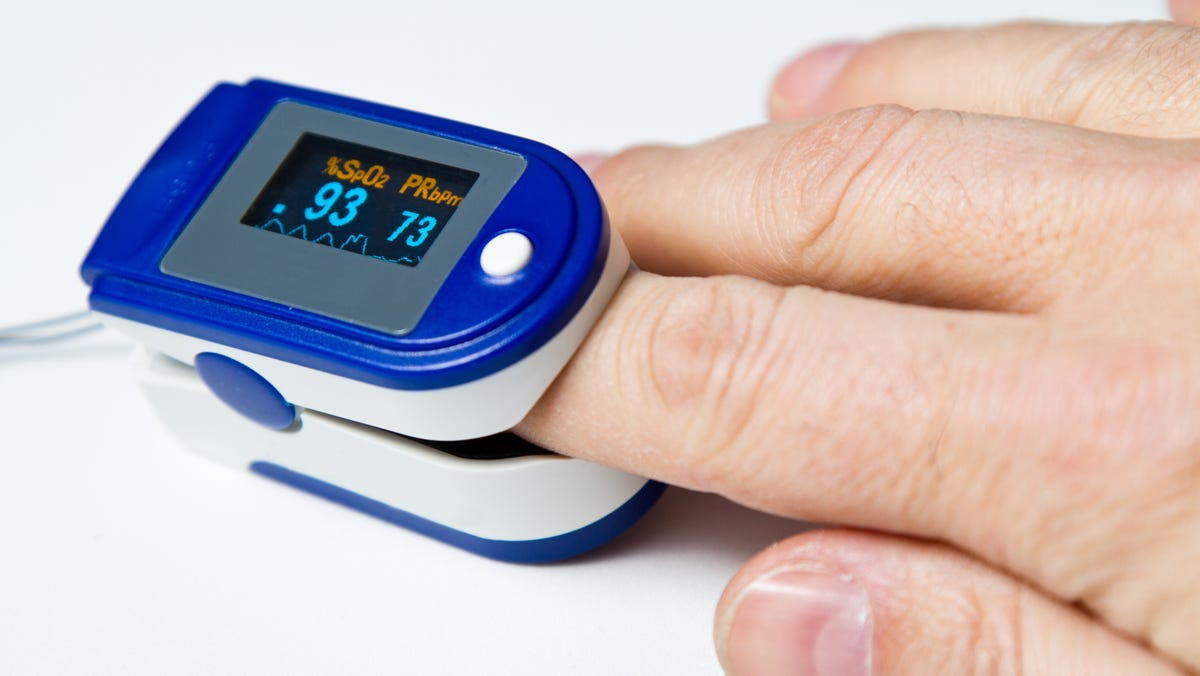
The pulse oximeter is a tool used to measure the patient’s Oxygen/blood saturation but it can be unreliable if the patient has cold hands, colored nail polish or acrylic nails, edema, or carbon monoxide poisoning.
In addition, patients with chronic respiratory ailments may function normally with Sp02 levels below 95%.
If the Sp02 is abnormally low, assess the patient for signs of adequate perfusion such as warm skin, pink mucous membranes, strong peripheral pulses, and capillary refill that is less than 2 seconds.
In addition, patients who have hypoxia (low Sp02 ) may experience anxiety, confusion, and increased respiratory rate.
Prepare the patient:
Before acquiring an EKG on a patient, gather pertinent medical, social, surgical, and medication history from the patient.
Diseases, prior surgical procedures, and medications can all impact the appearance of the EKG tracing and must be documented.
Gathering patient history:
Interviewing the patient and gathering pertinent health history is an important responsibility of the CET. It can provide clues to help clinicians form an accurate diagnosis.
Pertinent patient history includes social history, medical conditions, surgical history, and a complete list of current medications.
Social history can help to determine the patient's risk for many cardiac conditions, while medical history includes information about previous acute conditions, ongoing chronic conditions, and any current signs or symptoms.
Examples of questions about social history include the following:
• Does the patient smoke? If so, how many packs per day? If the patient quit smoking, how long ago did he/she quit?
• Does the patient drink alcohol or use drugs? How much? What kind?
• Does the patient lead a stressful life? Have they experienced any major life changes such as caring for a sick loved one, divorce, unemployment, or relocation? What does the patient do to cope with stress?
• Does the patient exercise? If so, how often does he/she exercise, and what type of exercise does he/she do?
• What does the patient eat? Ask the patient about his/her diet and determine if he/she consumes high amounts of fat, sodium, and/or caffeine.
• Ask about the patient's work environment and whether he/she is exposed to chemicals or is required to wear a respirator.
• Ask about the patient's support system, such as family and friends whom the patient can turn to for help.
• Determine the patient's marital status and whether he/she has children.
Examples of questions about medical history include the following:
• Ask about pertinent previous medical conditions, including hospitalizations and illnesses.
• Determine any history of heart attack, stroke, aneurysm, murmurs, endocarditis, pulmonary embolism, or deep vein thrombosis.
• Ask about chronic conditions such as heart failure, hypertension, hyperlipidemia, hyperglycemia or diabetes, COPD, cardiac arrhythmias, and obesity.
• Ask a female patient if she is pregnant.
• Ask about any allergies, including drug, food, and environmental allergies.
• Ask about any current symptoms the patient is experiencing.
Use the mnemonic OPQRST to get a description of the symptoms
For example, if the patient reports chest pain, ask what the patient was doing when it began, what relieves or worsens it, ask if it is sharp, burning, or dull, how severe the pain is, and how long ago it began.
Ask if the patient has experienced any of the following symptoms:
• Chest pain
• Shortness of breath
• Swelling of the legs and feet
• Palpitations or racing heart
• Fainting
• Fatigue or weakness
• Pallor
• Coughing up blood
To gather surgical history:
• Document all surgeries, when and where the surgery was performed, and any complications that may have occurred.
• Ask about any history of valve replacement, cardiac catheterization, coronary artery bypass graft surgery, aneurysm repair, childhood cardiac surgeries, pacemaker implant or heart transplant.
To gather medication history:
• Document any allergies or adverse responses to medications, and describe the details of the allergic or adverse reaction.
Document all medications that the patient is currently taking, including the name of the medication, the dose, and how often and the time of day that the medication is taken.
• Ask about any over-the-counter medications, herbal supplements, and vitamins.
Patient education:
Prior to performing any tests, educate the patient about the procedure to build trust and alleviate any anxiety.
Keep in mind the patient must understand the procedure in order to provide informed consent.
To facilitate communication, maintain a nonjudgmental attitude and demonstrate good listening behaviors (make eye contact, face the patient, repeat or clarify what the patient says to show understanding).
Assess the patient's knowledge base to determine health literacy and ability to understand new information.
Those who have cognitive disabilities may require extra time with the EKG technician to ensure that they understand the procedure.
Older adults may also require more time to process and understand new information.
People who have sensory impairments, such as blindness or hearing loss may require additional audiovisual media, such as written material with pictures or audiotapes.
If the patient speaks a language other than English, communicate through a trained interpreter.
By law, all patients must have access to a trained interpreter who speaks their native language.
Avoid using family members as interpreters; they may not communicate information accurately to the patient.
Describe the purpose, length, and steps of the procedure as well as any preparation for which the patient is responsible.
Describe any side effects or follow-up care that the patient may need.
Answer any questions that the patient may have, clarify any misinformation, and alleviate any fears.
The following lists include relevant information and instructions for performing each type of procedure:
EKG Test:
The static EKG is a diagnostic test that allows the physician to assess the electrical activity of the heart.
It is a non-invasive, painless procedure that takes only a few minutes to complete.
Ask the patient if he/she has ever had a reaction to latex or rubber.
Explain that you will apply sticky electrodes that can be easily removed to the patient's chest, arms, and legs.
Explain that you will clean the skin and and trim hair, if necessary, to ensure proper contact between the skin and electrode.
Instruct the patient to remove any electronic devices from his/her pockets, as they may interfere with the test.
Instruct the patient to lie flat, or with the head slightly elevated, and avoid touching anything that conducts electricity, such as the handrails of the bed.
Instruct the patient to remain as still as possible during the test while the machine acquires the EKG.
Advise the patient to notify the technician if he/she experiences itching, swelling, or redness where the electrodes contact the skin.
There are no significant side effects to this procedure.
Holter monitoring:
The Holter monitor is a device used to monitor the electrical activity of the heart over a period of 24 to 72 hr as prescribed by the physician. It may detect problems that occur transiently.
Instruct the patient to bathe prior to his/her appointment, since the patient cannot remove the electrodes or immerse the device in water after it is in place.
Instruct the patient to wear loose-fitting clothing so the monitor can be worn under a shirt or blouse. The Holter monitor can be worn with a bra.
Ask the patient if he/she has ever had a reaction to latex or rubber.
Place sticky electrodes on the patient's chest and keep them in place for the duration of the test.
The skin may need to be cleaned to ensure that the electrodes adhere securely.
Advise the patient to notify the CET if the patient experiences itching, swelling, or redness where the electrodes contact the skin
Instruct the patient to continue his/her normal daily routine, including
work, exercise, and sleep.
Tell the patient to keep the Holter monitor in place continuously.
Instruct the patient to keep a journal for the duration of the test. The
patient should note the date, time, and duration of any symptoms, such as
lightheadedness, palpitations, chest pain, and breathing problems, and describe what he/she was doing when they started.
The patient should also note the date and time he/she takes any medications, engages in physical activity, and sleeps.
Instruct the patient to call the physician's office if the electrodes fall off or the device malfunctions.
Tell the patient to call 911 if he/she experiences any serious signs or symptoms, such as fainting, weakness, profuse sweating without physical activity, or unrelieved chest pain that radiates to the arms or jaw.
Instruct the patient that he/she is responsible for returning the monitor intact to the physician's office.
Although wearing the Holter monitor may be inconvenient, there are no
significant side effects to the test.
Stress testing:
A stress test is used to determine how the heart functions under the increased workload caused by physical exercise.
Specifically, the stress test is designed to provoke myocardial ischemia under controlled settings.
If heart disease is suspected, symptoms may manifest during exercise that are not present at rest.
The stress test takes approximately 10 minutes to complete. Apply electrodes to the patient's chest, and if necessary, clean the skin and/or remove hair to ensure the electrodes adhere.
Place a blood pressure cuff on the upper arm to monitor blood pressure during the test.
If the patient experiences itching, swelling, or redness where the electrodes contact the skin, he/she should notify the technician.
Take the patient's baseline EKG at rest. Then instruct the patient to walk on a treadmill or use a stationary bike to gradually increase physical activity until you detect symptoms, the patient becomes fatigued or ill, or a target heart rate is reached.
For a stress test to be considered valid the patient must reach 85% of
his/her age-predicted maximal heart rate.
This rate is calculated by subtracting the patient’s age from 220.
220 - patient’s age = maximal heart rate.
Instruct the patient to wear comfortable walking shoes and loose-fitting,
lightweight clothing for the test.
Instruct the patient not to eat, drink, or smoke for 3 hr before the test.
Tell the patient to continue his/her normal medication routine unless the
physician tells him/her otherwise.
Ask the patient if he/she has had any reactions to rubber or latex.
Ask the patient if he/she has a history of exercise-induced asthma or respiratory distress, or requires the use of an inhaler.
Tell the patient he/she can stop the test at any time if he/she experiences fatigue, lightheadedness, dizziness, shortness of breath, or chest pain.
After exercising, the patient may need to sit or stand still for a few minutes while the machine continues to record heart activity.
Potential complications include low blood pressure and abnormal heart rhythms. These symptoms are usually alleviated when the patient stops exercising.
Telemetry monitoring:
Telemetry is used to continuously monitor the electrical system of the heart in patients who are at high risk for cardiac complications.
Telemetry monitoring is non-invasive and painless.
Determine if the patient has had a reaction to rubber or latex.
Place electrodes on the patient's arms and chest/abdominal area, and keep them in place continuously.
If necessary, clean the skin and trim hair to ensure the electrodes adhere securely.
Advise the patient to notify the technician if he/she experiences itching, swelling, or redness where the electrodes contact the skin.
Either registered nurses or technicians monitor the EKG. The monitors are
programmed to alarm if the EKG detects a dangerous rate or rhythm.
If the electrodes fall off at any time, the patient should notify hospital staff.
Instruct the patient to notify hospital staff if he/she experiences dizziness,
lightheadedness, weakness, chest pain, nausea or vomiting, shortness of breath, or profuse sweating.
Event recorder:
An event recorder can be used if a patient experiences symptom that are not detected during Holter monitoring or if a provider wants to monitor the patient for longer periods of time (up to 30 days).
An Event Recorder is targeting heart activity when symptoms are experienced.
The event recorder is another portable device but differs from the Holter monitor. The Holter monitor is a continuous recording, whereas an event recorder requires the patient to trigger the monitor when symptoms is experienced.
Most event recorders can transfer information directly to a provider, which allows the provider to interpret the recording while symptoms are occurring.
There are two types of event recording monitors, both of which the patient activates.
Symptom event monitor records activity for several minutes once triggered.
Memory looping monitor records the same information as a symptom monitor but also can display information for a few minutes prior to being activated.